

Nigeria’s Human immunodeficiency virus (HIV) response is pushing forward with renewed determination, even as recurring global and economic disruptions continue to test the resilience of its health system.
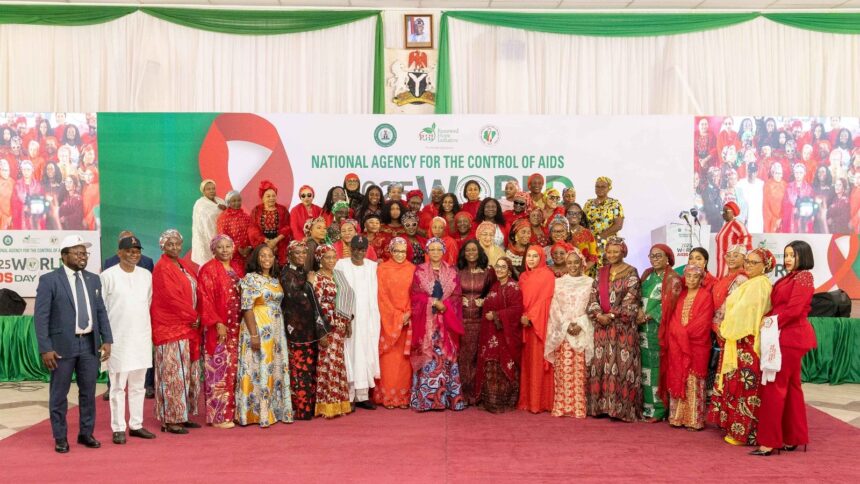
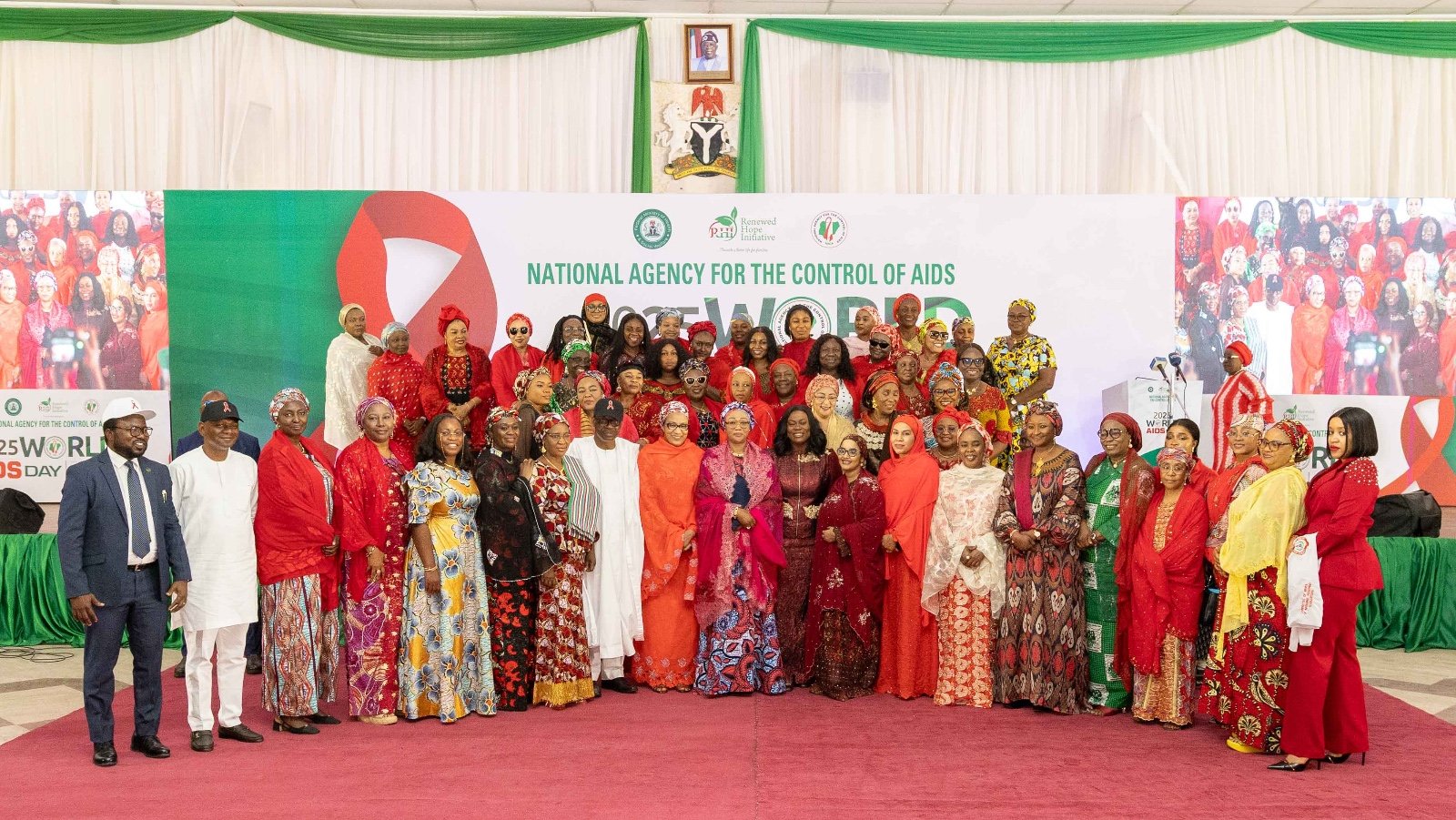
At the 2025 World AIDS Day commemoration, national leaders highlighted new gains, persistent gaps, and a unified drive towards a more self-reliant, sustainable HIV programme.
Nigeria’s National Agency for the Control of AIDS (NACA), which hosted this year’s event in Abuja, set the tone with the theme “Overcoming Disruptions: Sustaining Nigeria’s HIV Response.”
The gathering underscored how the country is adapting to challenges such as COVID-19, economic instability, and shrinking donor funding, factors that have repeatedly threatened continuity of care for millions of Nigerians.
Welcoming stakeholders, NACA Director-General Dr Temitope Ilori noted that Nigeria is “making steady progress toward ending AIDS as a public health threat,” despite the shocks that have affected health systems globally.
She reported that adult HIV prevalence has now dropped to 1.4 per cent, with an estimated 1.9 million Nigerians living with the virus—figures attributed to expanded testing and improved treatment coverage.
Dr Ilori emphasised that the disruptions of recent years have strengthened Nigeria’s resolve to build a system that relies less on external support and more on local resilience, innovation, and accountability.
Delivering his remarks, the Minister of State for Health and Social Welfare, Dr Iziaq Salako, highlighted national advances in treatment scale-up, paediatric HIV care, and integrated programmes addressing TB, malaria, and nutrition.
He stressed that reducing stigma and ensuring uninterrupted care remain central to protecting recent gains.
“Reducing stigma and ensuring continuity of care are essential to protecting the gains we have made in the HIV response,” Dr Salako said.
In a goodwill message, the First Lady, Senator Oluremi Tinubu, reaffirmed the government’s commitment to eliminating mother-to-child transmission and expanding treatment access for children and adolescents.
She described Nigeria’s HIV response as “a pathway to hope and a promise of progress,” urging Nigerians to reject stigma and stand with those affected.
This year’s commemoration brought renewed attention to the need for stronger health systems, community engagement, and long-term domestic investment to ensure that testing, treatment, and lifelong care remain uninterrupted, no matter the scale of future disruptions.
With national leaders and communities reaffirming their commitments, Nigeria’s HIV response continues to advance, aiming to preserve hard-won gains while building a more self-reliant and durable system for the years ahead.