

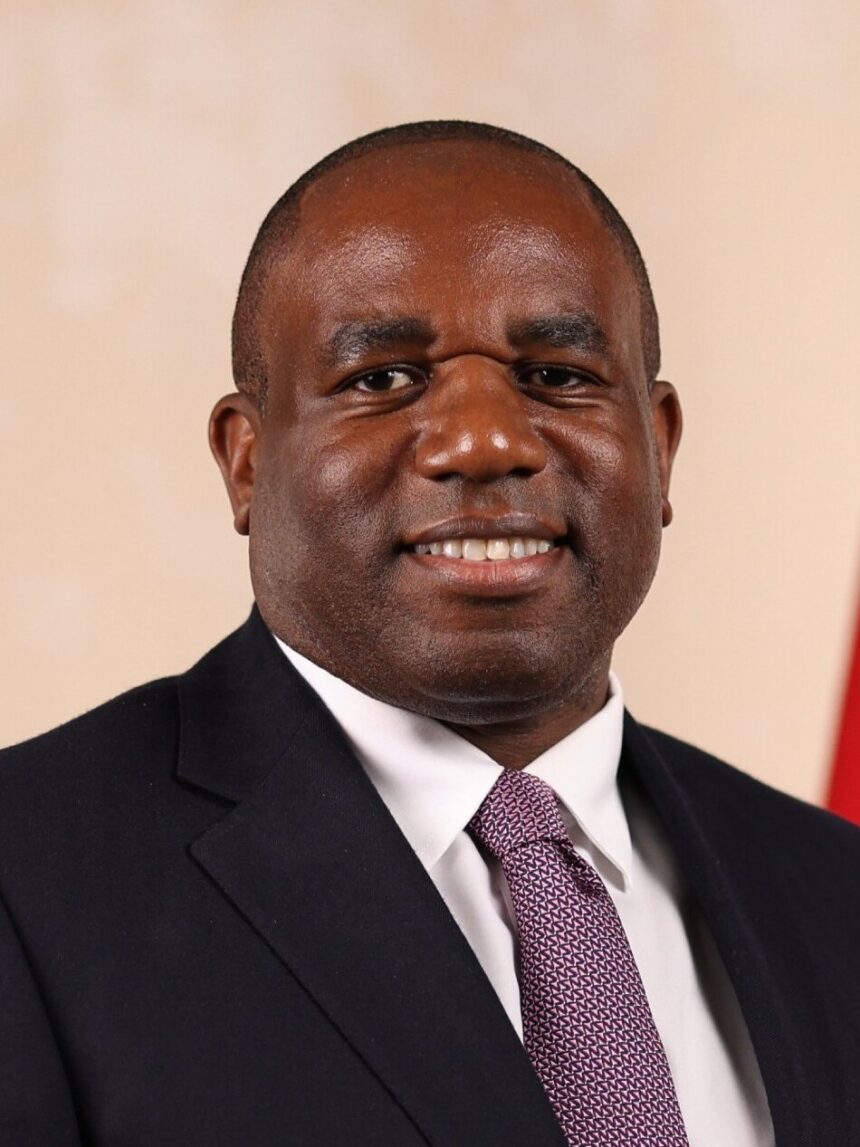

Justice Secretary David Lammy has revealed that 12 prisoners have been mistakenly released in the last three weeks, with two of them still unaccounted for.
The latest figures come on top of the 91 erroneous releases recorded between April and October across England and Wales.
Lammy admitted that “human error” was inevitable while prisons continued to rely on a paper-based system, but insisted the situation would improve once a fully digital process is in place.
He acknowledged there had been a spike in mistaken releases but said the problem was now on a downward trajectory.
In a media interview, Lammy stressed he had been assured the two prisoners who remain at large were neither violent nor sex offenders.
Recall that earlier this year, after the wrongful release of Hadush Kebatu, who had been jailed for assaulting a 14-year-old girl and another woman while living in an asylum hotel.
Kebatu was rearrested two days later and has since been deported to Ethiopia. Two other prisoners, like William Smith and Brahim Kaddour-Cherif, were also mistakenly freed but later returned to custody.
Following the incidents, the government introduced new security steps, including a mandatory checklist for governors overseeing prisoner releases.
Government data shows mistaken releases rose by 128% last year, jumping from 115 to 262. Lammy said the problem has been worsened by the loss of 6,000 prison officers under the previous Conservative government.
Critics argue Labour’s early release programme has added to the confusion.
Conservative shadow justice secretary Robert Jenrick slammed the latest errors, accusing Lammy of shambolic management, while the Liberal Democrats called the situation utterly unacceptable.
The government has pledged up to £10m to introduce new AI tools aimed at reducing human error and upgrading outdated systems.
In addition, former Met Police deputy commissioner Dame Lynne Owens is conducting a review into the failures that led to Kebatu’s release, with findings expected in February 2026.
Also, the Chief Inspector of Prisons, Charlie Taylor, has warned that rising mistaken releases reflect deeper problems in the system, including inexperienced staff handling heavy workloads and constant policy changes.
Read also: Labour govt frees 26,000 prisoners early to ease overcrowding