

The famine in Gaza has ended following an increase in humanitarian aid deliveries, the United Nations said on Friday, while warning that hunger and living conditions across the territory remain severe.
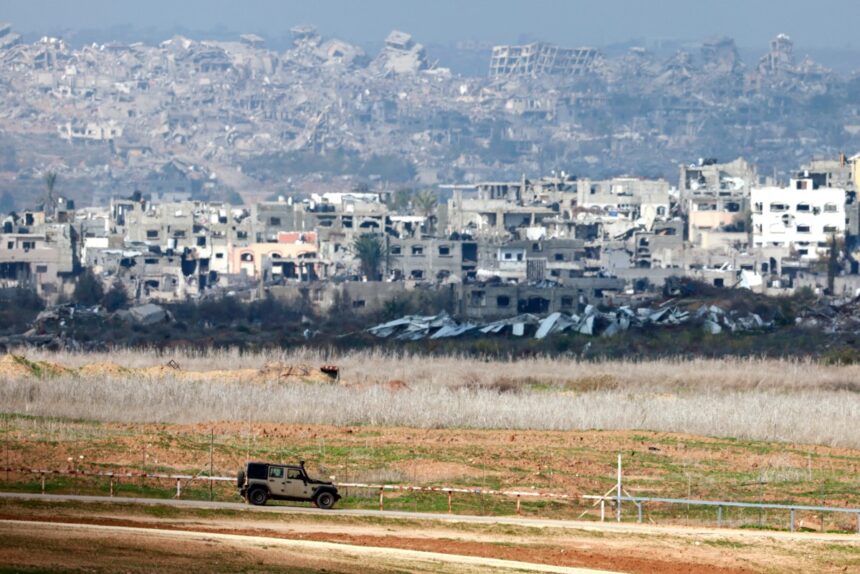
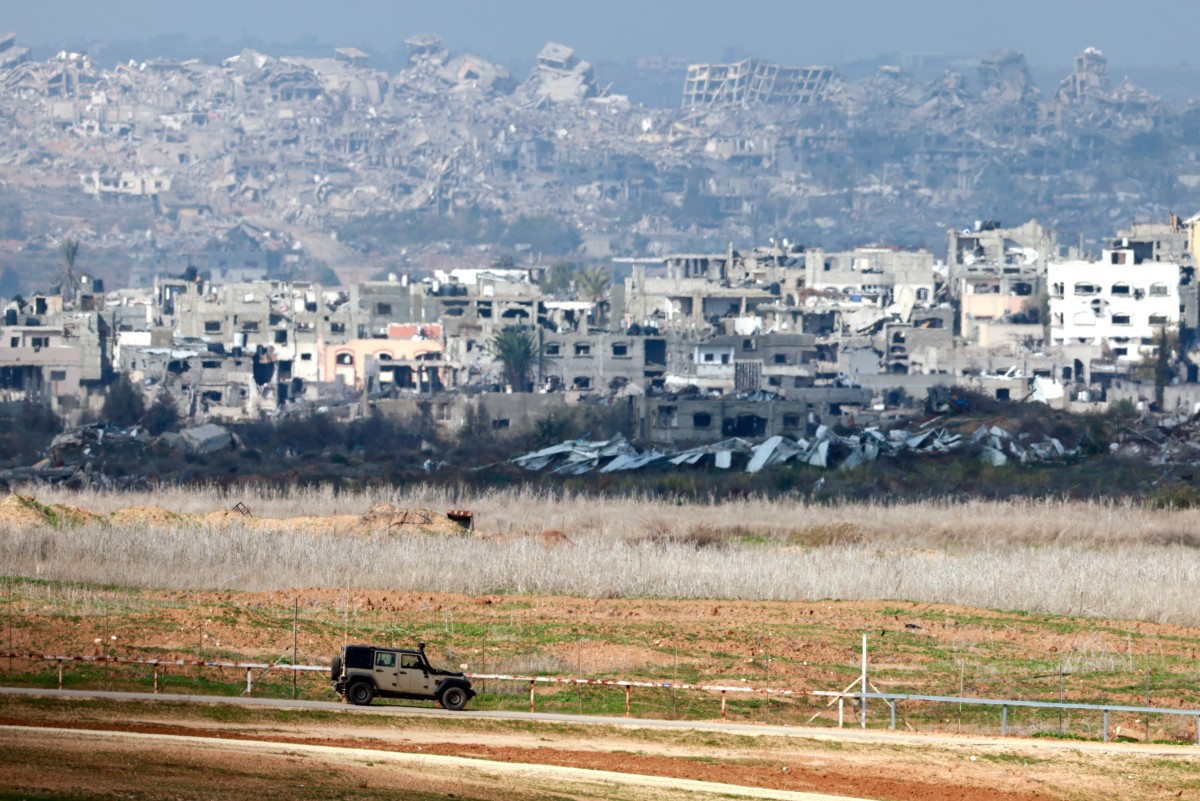
The UN said nearly one in eight people in Gaza is still facing food shortages. Persistent hunger has been worsened by winter flooding and falling temperatures, with most of the population living in tents or damaged shelters after much of Gaza’s housing and civilian infrastructure was destroyed during the two-year war.
Israel has partially eased restrictions on aid since an October ceasefire with Hamas, but deliveries remain limited and irregular, according to the UN.
“No areas are classified in famine,” said the Integrated Food Security Phase Classification (IPC), the UN-backed body that monitors global food crises. The IPC declared famine in parts of Gaza in August, after restrictions on food supplies led to mass starvation. Gaza’s health ministry said at least 450 people died from hunger during that period.
Despite the change in classification, the IPC said the situation remained dire, with the entire territory still rated at “emergency” level. Under the IPC’s five-stage system, this is one step below famine and reflects very high levels of malnutrition and excess deaths caused by lack of food.
Before the ceasefire, Israel imposed a strict blockade on aid entering Gaza, which the UN’s under-secretary general for humanitarian affairs, Tom Fletcher, described in August as a “systematic obstruction”.
Following the US-mediated ceasefire in October, Israel allowed more aid to enter through the UN and partner organisations.
“Following the ceasefire, the latest IPC analysis indicates notable improvements in food security and nutrition compared with the August 2025 assessment, which detected famine,” the IPC said.
Aid agencies warned, however, that the ceasefire remains fragile. Israel has carried out near-daily strikes in Gaza, while both sides accuse each other of violations.
The IPC said around 1.6 million people are expected to face “crisis” levels of hunger over the next four months. It warned that a collapse of the ceasefire could push Gaza back into famine.
Israel has strongly denied claims that famine exists in Gaza or that it is restricting aid. The foreign ministry spokesperson, Oren Marmorstein, said on X that “even the IPC had to admit that there is no famine in Gaza”.
Cogat, the Israeli authority overseeing humanitarian affairs in Gaza, said the IPC report presented a “distorted, biased, and unfounded picture” of conditions in the territory.
The UN and humanitarian organisations have repeatedly said famine has occurred in Gaza, and the IPC is widely regarded as the global authority on food security.
Oxfam said hunger levels remained “appalling” and accused Israel of blocking aid deliveries. The charity said $2.5m worth of its supplies, including 4,000 food parcels, were being held in warehouses near the border. “Israeli authorities refuse it all,” said Nicolas Vercken, Oxfam France’s campaigns and advocacy director.
Hundreds of thousands of people are continuing to endure heavy rain and cold weather in damaged tents. Images of flooded encampments have circulated widely, raising fears of disease outbreaks amid poor sanitation and overcrowding.
On Wednesday, a 29-day-old baby died of hypothermia, according to Gaza’s health ministry. “Children are losing their lives because they lack the most basic items for survival,” said Bilal Abu Saada, a nursing supervisor at Nasser hospital.
Efforts to move the ceasefire into its second phase have stalled, with negotiators struggling to bridge remaining differences. The next phase is intended to lead to a permanent end to the fighting.
The US special envoy to the Middle East, Steve Witkoff, was due to meet senior officials from Qatar, Egypt and Turkey in Miami on Friday to discuss the way forward, Israeli media reported.
Under the proposed second phase, Israel would withdraw from the 53% of Gaza it still controls. Hamas would be replaced by a transitional governing authority, and an international stabilisation force would be deployed.
Qatar’s prime minister, Sheikh Mohammed bin Abdulrahman bin Jassim al-Thani, warned on Thursday that delays and ceasefire violations risk “endangering the entire process”.