


The UK Government is preparing to announce major changes to the criminal justice system that would significantly scale back the right to jury trials in England and Wales, as ministers scramble to address record-breaking court delays.
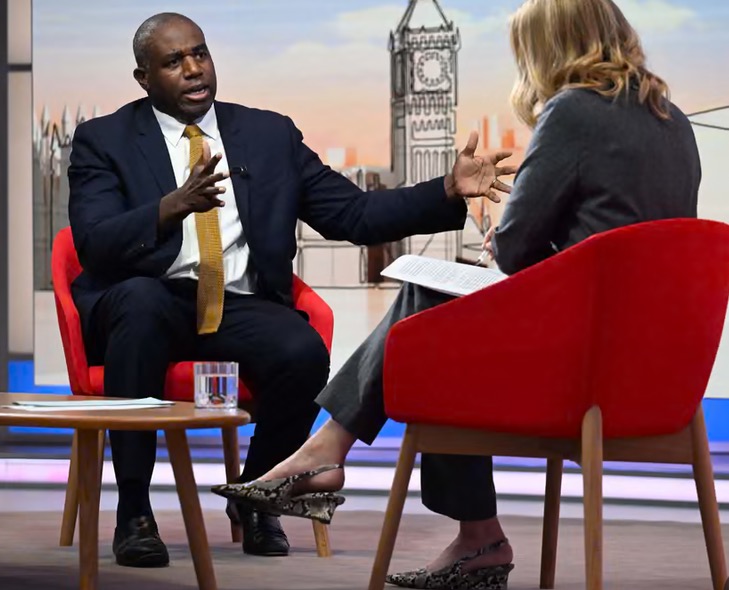
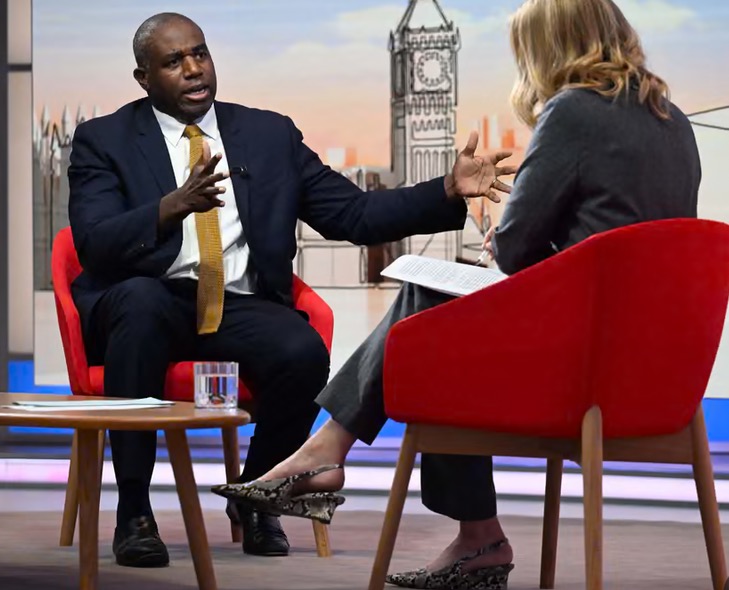
Deputy Prime Minister and Justice Secretary, David Lammy, is expected to outline the proposals in Parliament today.
Although he has repeatedly stressed that juries will remain a “fundamental part of the criminal justice system,” it remains unclear whether the full package has been signed off by the cabinet, after details were leaked last week.
According to leaked documents seen by the BBC and other media, the plan would remove jury trials for most cases currently heard in the Crown Court, including theft, fraud, most drug offences, and many violent and sexual crimes. Only the most serious offences, such as murder, manslaughter, rape, and cases likely to result in sentences above five years, would automatically go before a jury.
The proposals draw on advice from a senior retired judge, who argued that reducing the number of jury cases could ease the unprecedented backlog.
Crown Court delays have reached crisis levels, with nearly 78,000 cases awaiting trial, meaning some defendants charged today may not be heard until 2029 or 2030. Officials warn that without reform, the backlog could exceed 100,000.
Under the leaked plan, cases would be decided by judges alone, while volunteer magistrates would see their sentencing powers doubled to two years. The reforms would not apply in Scotland or Northern Ireland.
Lammy, who had earlier warned against restricting jury trials, now says the scale of the crisis demands action.
While speaking at the BBC Breakfast, he said magistrates could help free up Crown Court time: “If you steal a phone, that trial could take two days and that delays trials for more serious offences like rape or murder.”
He also confirmed extra investment of £550m for victim support services over three years, and £34m to encourage more barristers to take on criminal work.
However, the proposals have already drawn criticism. Chris Kinch KC, a former Crown Court judge, warned that removing juries would not meaningfully cut delays and would weaken the public’s role in the justice system. Riel Karmy-Jones KC, chair of the Criminal Bar Association, argued the real problem is a decade of chronic underfunding, not juries.
Opposition parties have also weighed in. Shadow Justice Secretary Robert Jenrick accused Lammy of abandoning long-held principles, claiming Labour had underfunded the courts while prioritising spending elsewhere.
However, all eyes are on Parliament, where Lammy is expected to confirm whether the government will press ahead with one of the most significant shifts in criminal justice in decades.
Read also: Deputy PM Lammy to face cartlidge at first PMQs