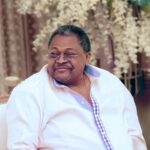

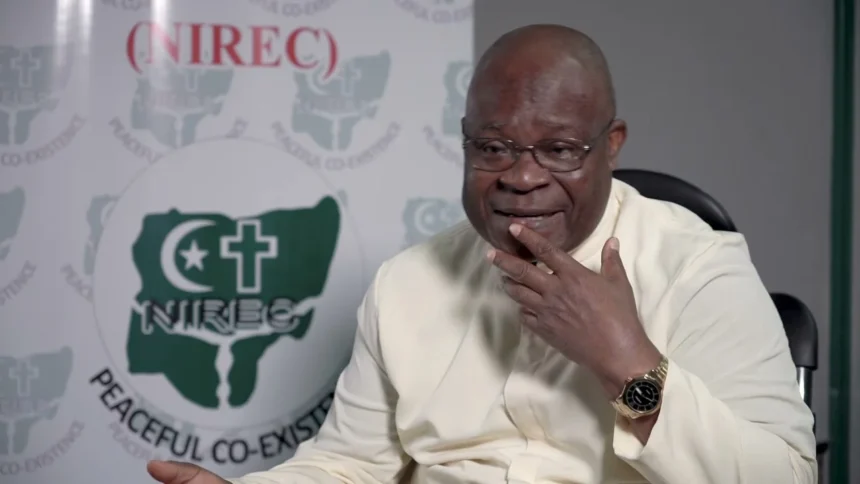
The Executive Secretary of the Nigeria Inter-Religious Council (NIREC), Professor Cornelius Omonokhua, has described the escalating violence in Nigeria as a form of genocide, affecting both Muslims and Christians across the country.
Speaking at the close-out event of the “Promoting and Protecting Freedom of Religion or Belief” project in Abuja on Tuesday, organised by Search for Common Ground with support from the Ministry of Foreign Affairs of the Netherlands, Omonokhua condemned the attacks carried out by bandits and terrorist groups, saying they constituted a “war on humanity.”
“Just like recently, the word genocide has become problematic. The question is, what is genocide? I can define genocide clearly from the Holy Quran, chapter 5, verse 32, that says, ‘If you kill one person, it’s as if you have killed the whole of humanity.’ To kill humanity, is that not genocide? That is genocide,” he stated.
He emphasised that the violence transcends religious lines, noting that both Christians and Muslims have been targeted.
“Is there genocide in Nigeria? I would say yes. Christians have been massacred, Muslims have been massacred. There is a war on humanity in Nigeria by the bandits and by the terrorists,” he said.
Omonokhua added that the root causes of the violence were less about religion and more about the pursuit of power and wealth. “What is the cause of all this? It’s not just religion. This has to do with power, and to get power, you have to manipulate religion,” he explained.
He urged Nigerians not to allow terrorists to drive a wedge between different faith communities, highlighting NIREC’s work as evidence that there is no religious war in the country.
“We should not fall into the strategy of the terrorists. Let us agree that there is fire on the mountain, and it is you and I that should quench it,” he added.
Representing the Executive Chairman of the National Human Rights Commission (NHRC), Halilu Adamu noted that challenges such as stereotypes, religious intolerance, political manipulation of identity, mistrust between communities, and institutional gaps persist in Nigeria. However, he said these also provide opportunities for improved engagement and evidence-based interventions.
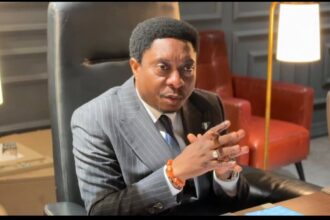
Anthony Ojukwu, NHRC Executive Chairman, stressed the importance of understanding, dialogue, and tolerance to safeguard freedom of religion or belief. He also welcomed equipment donations, including 12 toll-free lines under the project, which will enable Nigerians to report concerns related to religious freedom more effectively.
The debate over religious freedom in Nigeria has intensified since U.S. President Donald Trump redesignated the country as a “Country of Particular Concern” due to alleged attacks on Christians. While some Christian groups supported the move, the Nigerian Federal Government rejected it.
Professor Omonokhua’s warning underscores the urgent need for collective action to address insecurity and prevent further loss of life, urging Nigerians to rise above religious divides to confront the shared threat posed by terrorism and banditry.