


Household energy bills are set to rise as Ofgem approves a £28bn investment to upgrade the UK’s electricity and gas networks.
The regulator says the five-year plan, aimed at strengthening energy security and modernising ageing infrastructure, will add an estimated £108 to bills by 2031—£48 for gas and £60 for electricity.
However, Ofgem argues that reduced reliance on imported gas and cheaper wholesale energy will generate about £80 in savings, leaving a net increase of roughly £30 a year.
Ofgem chief executive Jonathan Brearley said the investment would keep the system “safe, secure and resilient” while helping the UK diversify away from gas dependence. The rise will be gradual, increasing by 2–3% from April and continuing steadily through the five-year period.
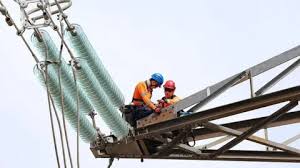
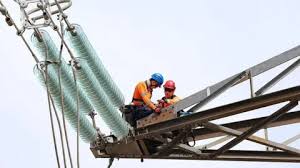
Ofgem has allocated £17.8bn for the gas network covering pipe replacement and cybersecurity and £10.3bn for electricity projects such as new transmission lines and replacing outdated cables. The regulator says upgrades will reduce costly inefficiencies, including payments to wind farms when the grid cannot absorb excess power.
The UK government welcomed the investment, saying decades of underfunding made upgrades essential.
Energy bills remain relatively high and will see a separate slight rise in January due to an increase in the energy price cap. However, a recent Budget pledge to remove legacy charges is expected to cut £150 from annual bills.
Industry leaders, including Scottish Power and National Gas, praised the plan as the biggest infrastructure overhaul since the 1950s. Greenpeace urged strong safeguards to ensure bill-payers receive fair value.
Read also: UK energy bills to rise for millions in 2026