
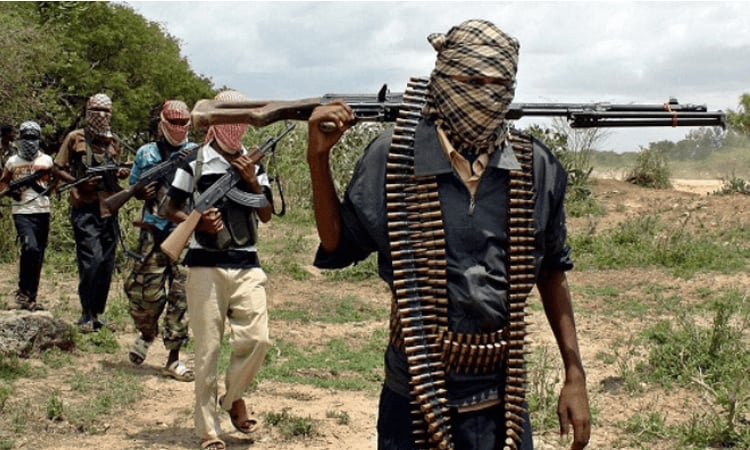
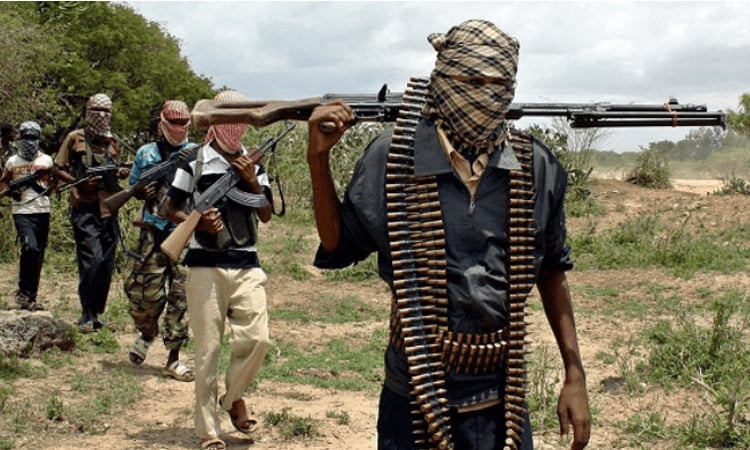
For more than ten years, Nigeria has experienced relentless insecurity, ranging from kidnappings to mass abductions and deadly attacks, that has shaken public confidence and intensified national anxiety. As these incidents grow more frequent and sophisticated, one question keeps resurfacing: Is the Nigerian government paying ransom to kidnappers?
Successive administrations have consistently denied making ransom payments. Yet the patterns surrounding major abductions, particularly those involving schoolchildren, religious worshippers, and travellers, have deepened public suspicion. Victims often return home quietly and unexpectedly, without any clear explanation from officials, fuelling speculation that back-channel negotiations and ransom deals may be taking place.
This debate intensified on Sunday when 100 abducted students of St. Mary’s Private Catholic School in Papiri, Niger State, were suddenly released after nearly three traumatic weeks in captivity. Their arrival in Minna, escorted by military convoys and received personally by Governor Umar Bago, sparked emotional scenes of relief. Parents wept as they embraced their children, many of whom appeared shaken by the ordeal. Among the parents was Ibrahim Ezekiel, who described the abduction of his son as “a nightmare no parent should ever experience,” speaking to New Daily Prime for the first time since the crisis began.
Read Also:
Tinubu’s aide defends former call for Jonathan’s resignation over Chibok abductions
Kogi security operatives rescue 21 children from suspected banditry recruitment
Nigeria’s military action in Benin, Niger student rescue highlight Tinubu’s security commitment – Presidential Aide
Despite the emotional reunions, the circumstances of their release remain unclear. Neither state nor federal authorities have confirmed whether the students were rescued through military action, freed via negotiations, or released after ransom arrangements. Nasarawa State Governor Abdullahi Sule hinted that the federal government played a significant role but said details could not be disclosed “for security reasons.” Days earlier, National Security Adviser Nuhu Ribadu visited Papiri and assured community leaders that the children would return soon, although he provided no specifics.
The uncertainty has heightened public concern, especially since more than 150 students and staff members are still believed to be in captivity. Their fate remains unknown, deepening the frustration of families who feel trapped between fear and silence.
Nigeria’s wave of kidnappings extends far beyond schools. Churches, mosques, marketplaces, and private homes have been targeted in rapid succession, leaving communities across the North and Middle Belt in constant fear. Recent abductions in Kwara, Kebbi, Kogi, and Sokoto illustrate how widespread and unpredictable the threat has become. Although many victims from these incidents were eventually freed, the government has offered little clarity on how their release was secured.
Analysts widely agree that most kidnappings are carried out by criminal gangs seeking ransom, while federal officials argue that extremist groups may also be exploiting rising insecurity. This divergence has intensified confusion and raised questions about whether Nigeria has a coherent national strategy for addressing the crisis.
Complicating matters further is the fact that paying ransom is illegal under Nigerian law, yet widely believed to be a common practice. Families often recount selling land, houses, vehicles, and other property to secure the release of loved ones. Community leaders acknowledge privately that contributions are sometimes pooled to meet ransom demands. Security experts say that even when government officials deny involvement, payments may still occur indirectly through intermediaries or in the form of concessions that do not involve direct cash transfers.
International attention recently turned to Nigeria when U.S. President Donald Trump alleged that the government was “allowing the killing of Christians” and threatened military intervention if the situation worsened. Nigerian officials have rejected the claim, insisting that victims come from all faiths and that the violence is driven by criminality rather than religious persecution.
As Nigeria continues to grapple with widespread insecurity, the central question remains: Is the government secretly paying ransom, or simply unable to provide transparency on how abducted citizens regain their freedom?
Until clearer explanations emerge, suspicion will continue to deepen, and Nigerians—already exhausted and fearful—will remain uncertain about the strategies meant to protect them.



![AMVCA 2026: Bovi, Nomzamo recreate viral Funke Akindele-Toyin Abraham snub drama [VIDEO]](https://keeploss.com/wp-content/uploads/2026/05/amvca-2026-bovi-nomzamo-recreate-viral-funke-akindele-toyin-abraham-snub-drama-video-330x220.jpg "AMVCA 2026: Bovi, Nomzamo recreate viral Funke Akindele-Toyin Abraham snub drama [VIDEO] 8")