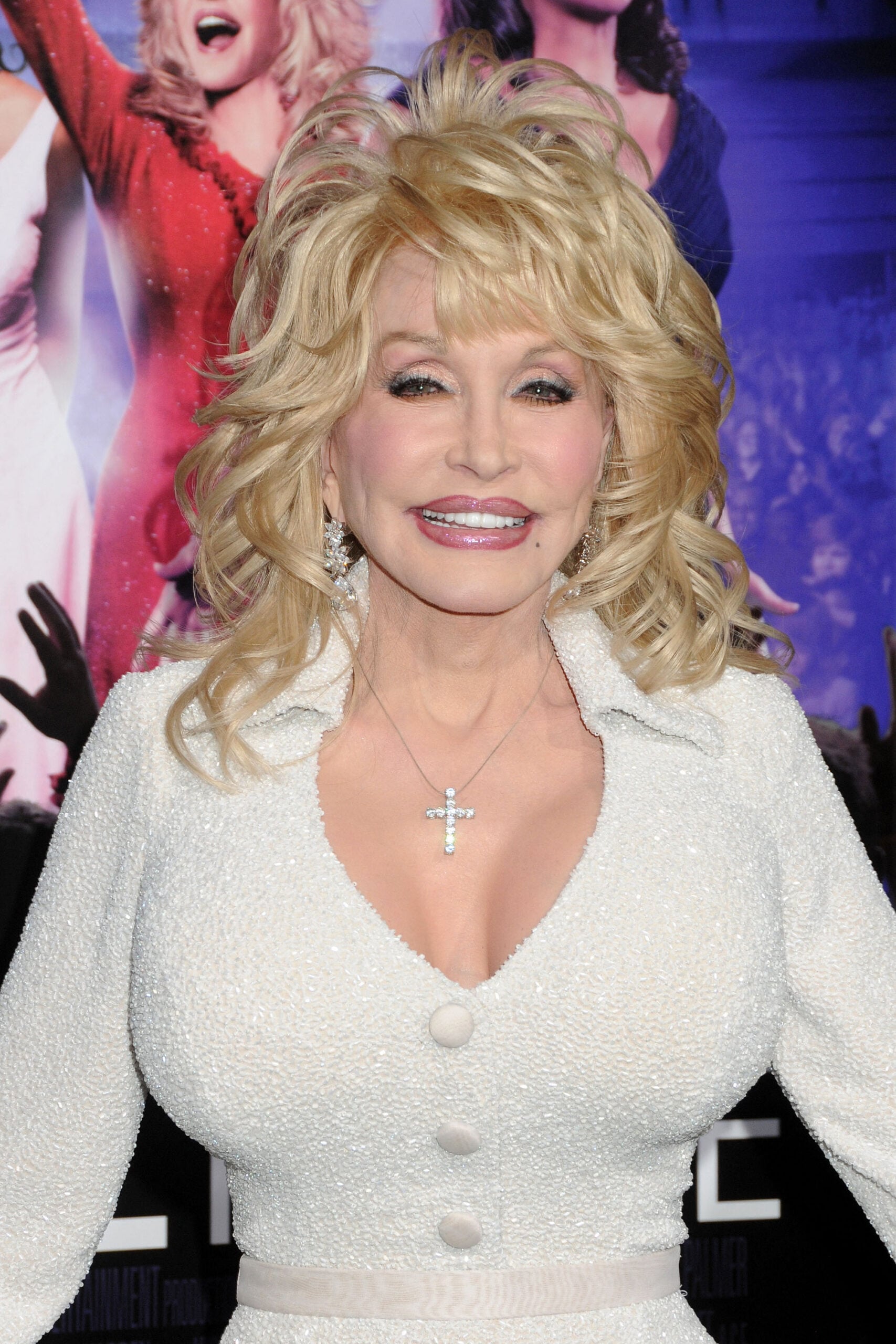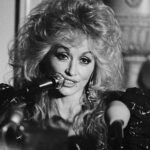

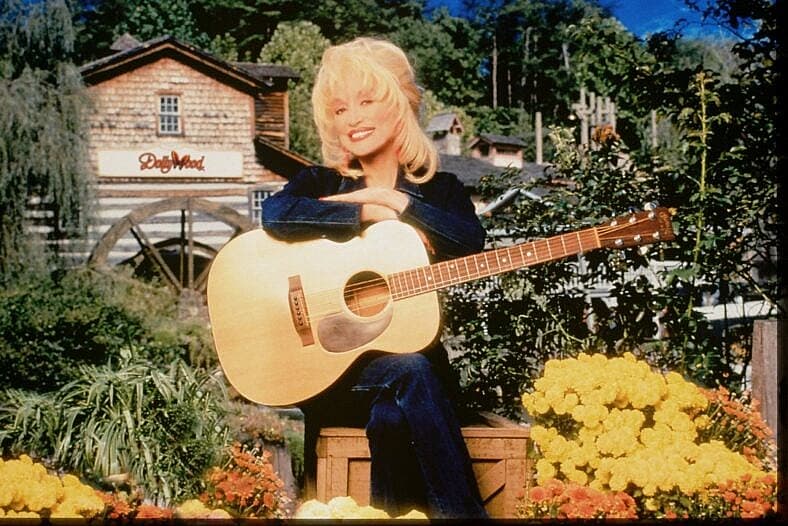
Dolly Parton will be remembered for writing timeless songs, building an entertainment empire, and helping millions of children discover the joy of reading. However, one easily forgotten chapter of the country legend’s legacy unfolded far away from the stage.
During the earliest and most uncertain days of the COVID-19 pandemic, Parton donated $1 million to Vanderbilt University Medical Center. Her gift supported several research projects, including critical early work connected to Moderna’s COVID-19 vaccine. Although Parton never tried to claim credit for the scientific breakthrough, researchers made it clear that her contribution helped them move important work forward at a moment when time mattered enormously.
 6
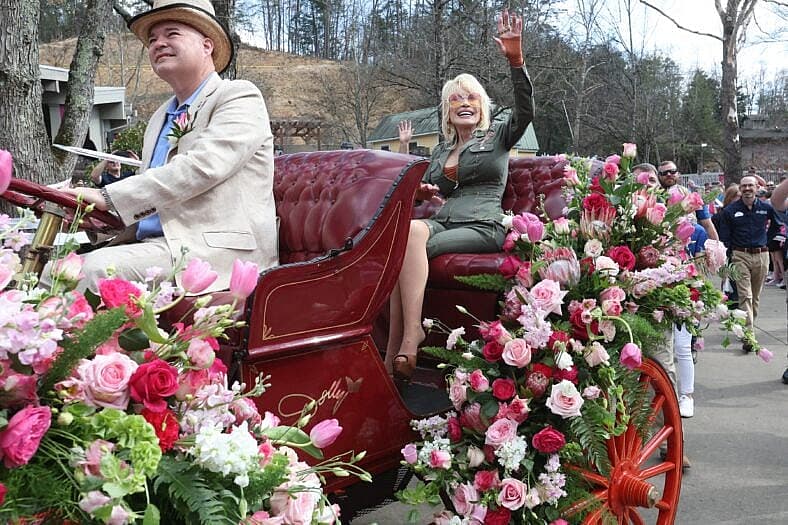
6Parton announced her donation in April 2020, as researchers around the world raced to understand the emerging coronavirus and search for potential treatments. The singer said she decided to help after speaking with her longtime friend Dr. Naji Abumrad, a Vanderbilt professor of surgery who told her about the medical center’s progress.
Parton contributed $1 million to Vanderbilt’s COVID-19 research efforts and encouraged others who had the financial ability to make donations of their own. “I felt like this was the time for me to open my heart and my hand, and try to help,” she explained in Vanderbilt University Medical Center’s announcement.
The donation created the Dolly Parton COVID-19 Research Fund, which supported scientists examining potential treatments and methods of preventing the infection. At the time, Vanderbilt researchers were testing existing medications that could potentially reduce severe symptoms. Other teams were studying new therapies and preparing for the possibility of a vaccine.
A Chance Friendship Inspired Parton’s Gift
 6
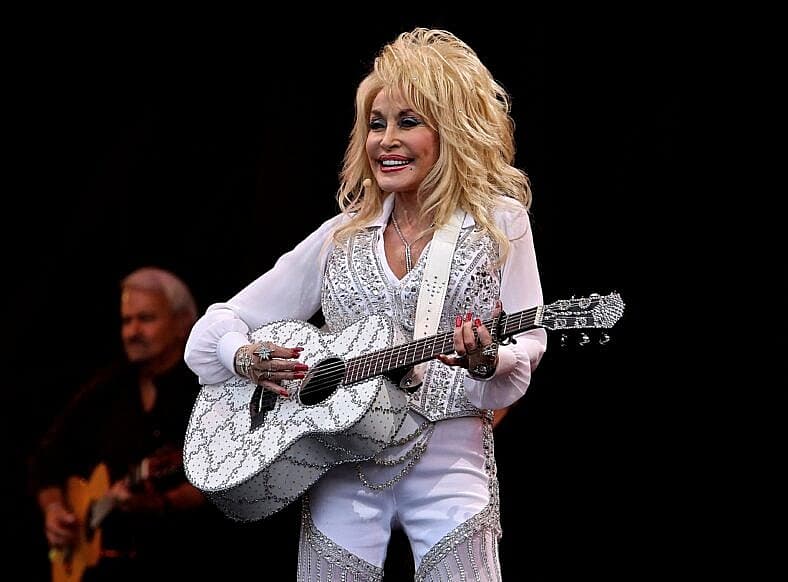
6The donation grew from a friendship that began under unexpected circumstances. Parton and Abumrad reportedly became close after the singer received treatment at Vanderbilt following a 2013 car accident. Despite their dramatically different public profiles, they discovered similarities in their childhoods.
Parton was raised in poverty in the mountains of East Tennessee, while Abumrad grew up in a poor mountain village in Lebanon. Their friendship lasted long after Parton’s treatment ended. When the pandemic began, Abumrad told her about the urgent research taking place at Vanderbilt.
He later said that he did not need to ask Parton to contribute. She offered to help after learning about the work. That decision placed her money behind researchers during a crucial early period, when scientists were trying to build the tools needed to evaluate possible vaccines and treatments.
Her Name Appeared In A Moderna Vaccine Study
 6
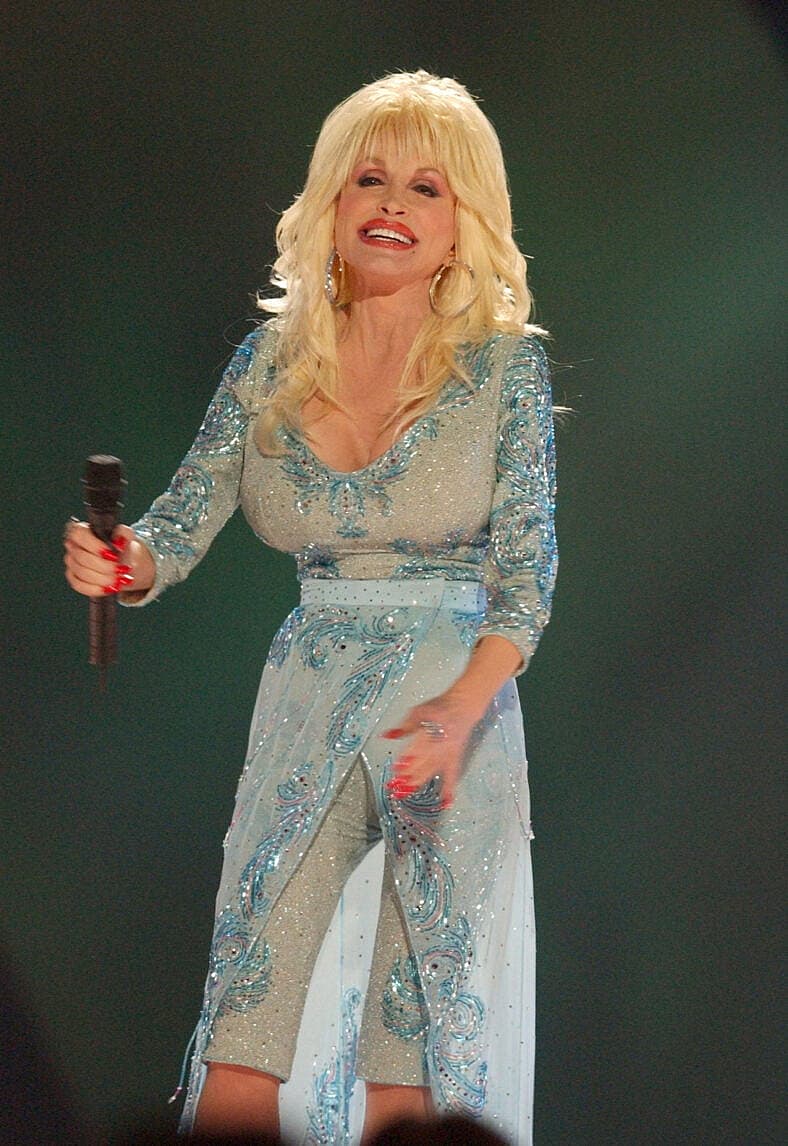
6The wider significance of Parton’s gift became public in November 2020, when people noticed her name in a scientific paper connected to Moderna’s vaccine. The Dolly Parton COVID-19 Research Fund appeared among the funding sources acknowledged in a preliminary report published by the New England Journal of Medicine.
The study examined the safety of Moderna’s experimental mRNA-1273 vaccine and whether it produced an immune response in participants. Researchers found that the vaccine generated immune responses in all participants who were evaluated, supporting its continued development.
Parton’s donation did not independently finance the vaccine or pay for its entire development. The enormous research effort also received substantial support from the National Institutes of Health and several other institutions. Her money did, however, help Vanderbilt researchers complete an important piece of the process.
What Dolly Parton’s Money Actually Supported
 6
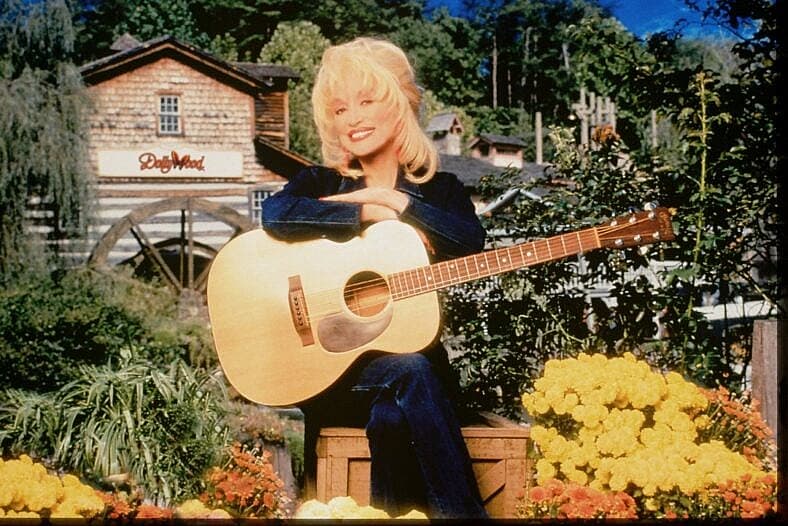
6Vanderbilt researcher Dr. Mark Denison explained that Parton’s gift helped fund critical early research and the development of a test used during the vaccine’s evaluation. “Her money helped us develop the test that we used to first show that the Moderna vaccine was giving people a good immune response that might protect them,” Vanderbilt explained.
The test allowed researchers to determine whether participants were developing an immune response that could potentially protect them from COVID-19. That distinction is important. Parton did not personally develop Moderna’s vaccine, nor was she its sole financial backer. Her gift provided early support for scientists carrying out one specific but meaningful part of a much larger research effort.
The fund also supported other pandemic-related work at Vanderbilt, including studies involving convalescent plasma and the development of virus-fighting antibodies.
The Country Legend Refused To Take Too Much Credit
 6
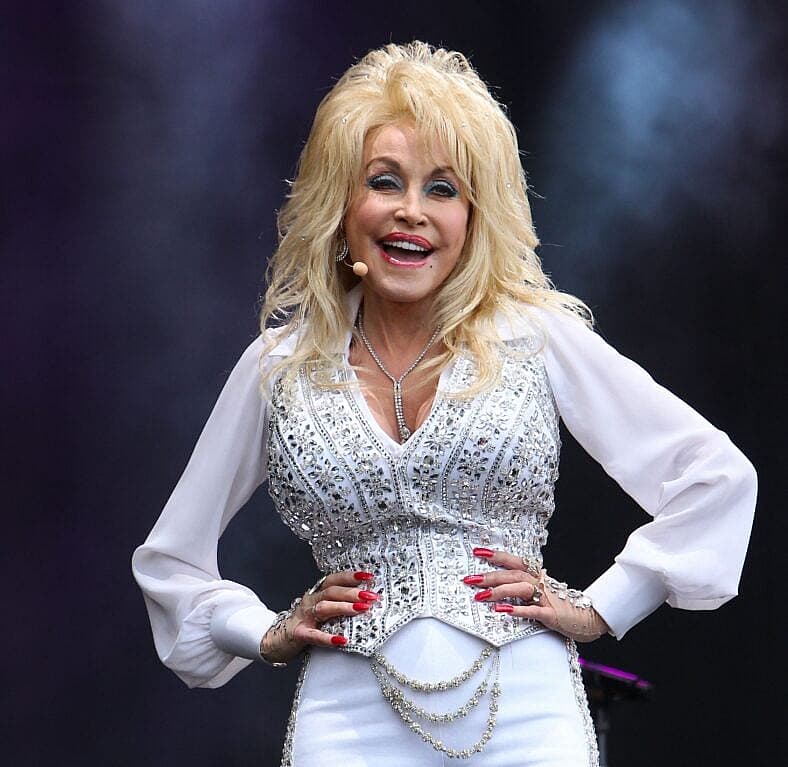
6As Parton’s connection to the Moderna research spread, social media users celebrated the singer as an unexpected hero of the pandemic. Parton was delighted that her money had helped, but she remained characteristically humble about her involvement.
During a November 2020 appearance on “Today,” she said she had simply wanted the donation to do some good and was pleased to learn that it had. Later, on BBC’s “The One Show,” Parton described her contribution as “little seed money” that she hoped could grow into something capable of helping the world.
She later admitted that she probably received “a lot more credit than I deserve,” emphasizing that her donation represented only a small part of the enormous scientific effort.
The response reflected the philosophy behind much of Parton’s charitable work. She identified a tangible need, provided practical assistance, and allowed the people closest to the problem to determine how that money could be used most effectively.
Dolly Parton Later Received The Moderna Vaccine
 6
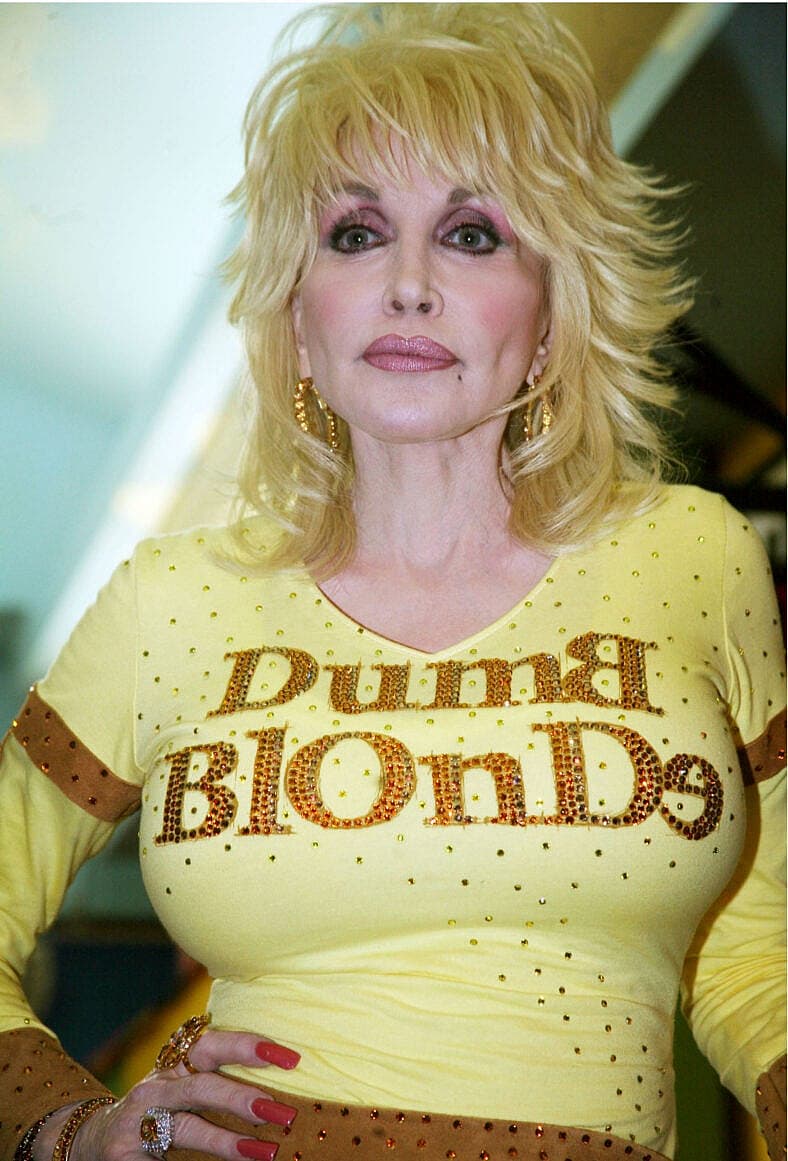
6Parton’s involvement came full circle in March 2021, when she received her first dose of Moderna’s vaccine at Vanderbilt. Abumrad, the friend whose conversation inspired her original donation, administered the shot.
Before receiving it, Parton adapted her hit song “Jolene” into a playful vaccination tune. She then dropped the jokes and encouraged eligible people to get vaccinated so communities could begin moving toward normalcy.
Her support for Vanderbilt did not stop when the immediate vaccine breakthrough arrived. In 2022, Parton donated another $1 million to the medical center to advance pediatric infectious disease research.
“I love all children. No child should ever have to suffer, and I’m willing to do my part to try and keep as many of them as I can as healthy and safe as possible,” she said in Vanderbilt’s announcement of the later gift.