

Sacha Baron Cohen‘s latest Ali G project is facing an organized effort to derail its theatrical rollout before it reaches audiences. The campaign has drawn tens of thousands of requests urging cinema chains to steer clear of the controversial comedy.
The uproar echoes criticism Baron Cohen faced more than two decades ago, when Black British comedians and activists accused the character of trafficking in racist stereotypes.
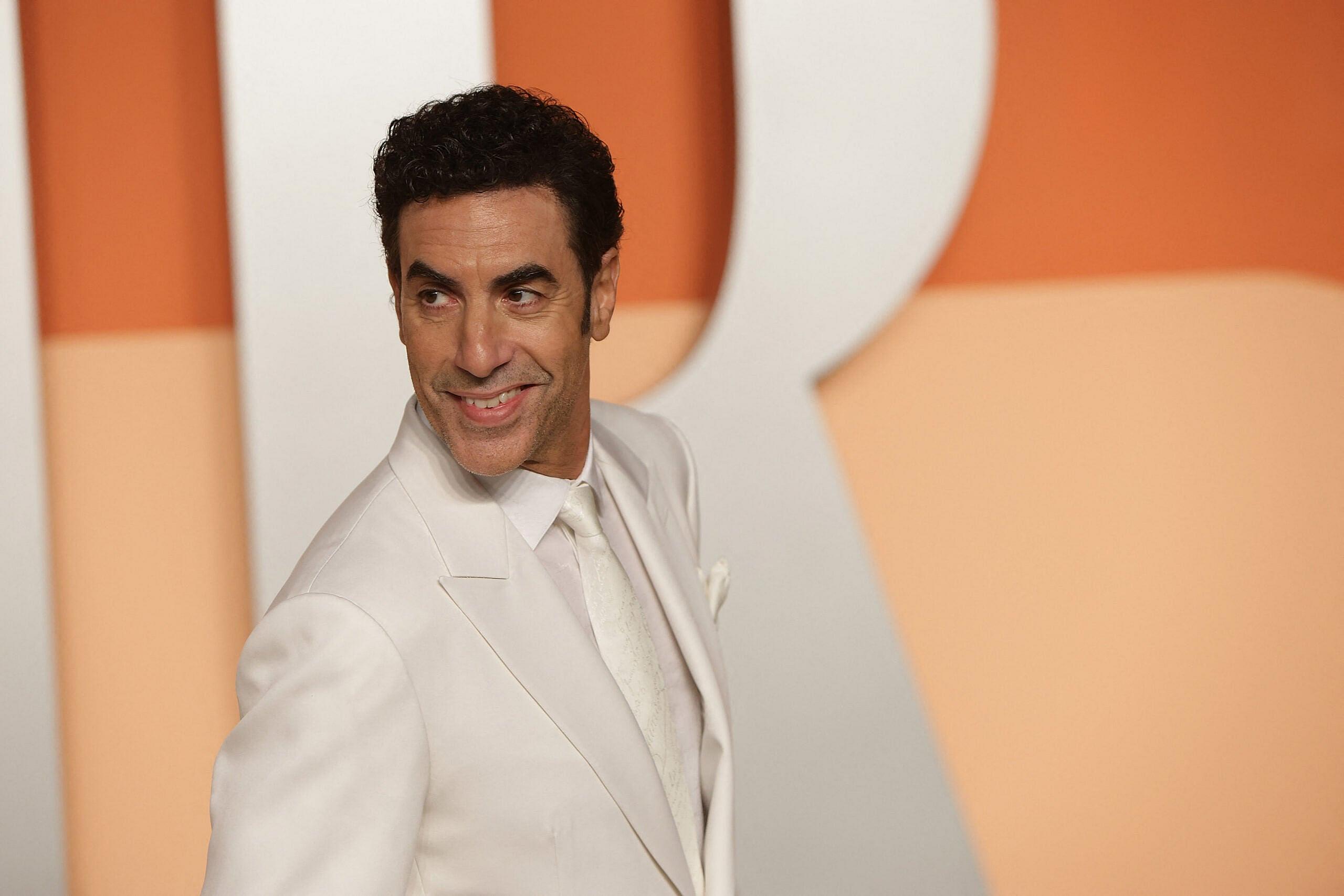
Sacha Baron Cohen’s return as Ali G is already stirring controversy before the character makes his way back to theaters.
The comedian is reviving his famous alter ego in Amazon MGM’s upcoming mockumentary, “Ali G: Who Iz I?,” which is scheduled to hit cinemas on October 23. However, the trailer has prompted fresh criticism of the character, with some social media users branding Ali G an outdated and racist caricature.
The backlash has also now moved beyond online complaints. NewsCord launched a campaign urging cinemas not to screen the movie and says it has sent more than 36,000 emails to theater chains on behalf of supporters.
Critics have pointed to Ali G’s imitation of Black British, hip-hop and Jamaican culture, including his fake dreadlocks and exaggerated speech. Similar concerns followed the character during his original rise to fame in the late 1990s and early 2000s.
Still, reports that the campaign has already convinced a major cinema chain to drop the film appear premature. Picturehouse Cinemas reportedly said it currently had no plans to screen the movie, but Variety noted that no final decision had been made.
Sacha Baron Cohen’s Ali G Was Accused Of Racism Decades Ago
 4
4The debate surrounding Ali G’s brand of comedy dates back more than a quarter-century.
In 2000, several prominent Black British comedians criticized Baron Cohen’s character in comments published by New Nation. Curtis Walker described the act as “offensive,” while Felix Dexter argued that its humor allowed middle-class audiences to laugh at Black street culture without feeling politically incorrect.
Others saw the character differently. Gina Yashere said she did not consider Ali G racist, although she believed Baron Cohen’s race helped make the act commercially acceptable. A New Nation reader poll also found more than 80% of respondents were Ali G fans.
Kevin Durant And A$AP Rocky Show Support For Ali G’s Comeback
 4
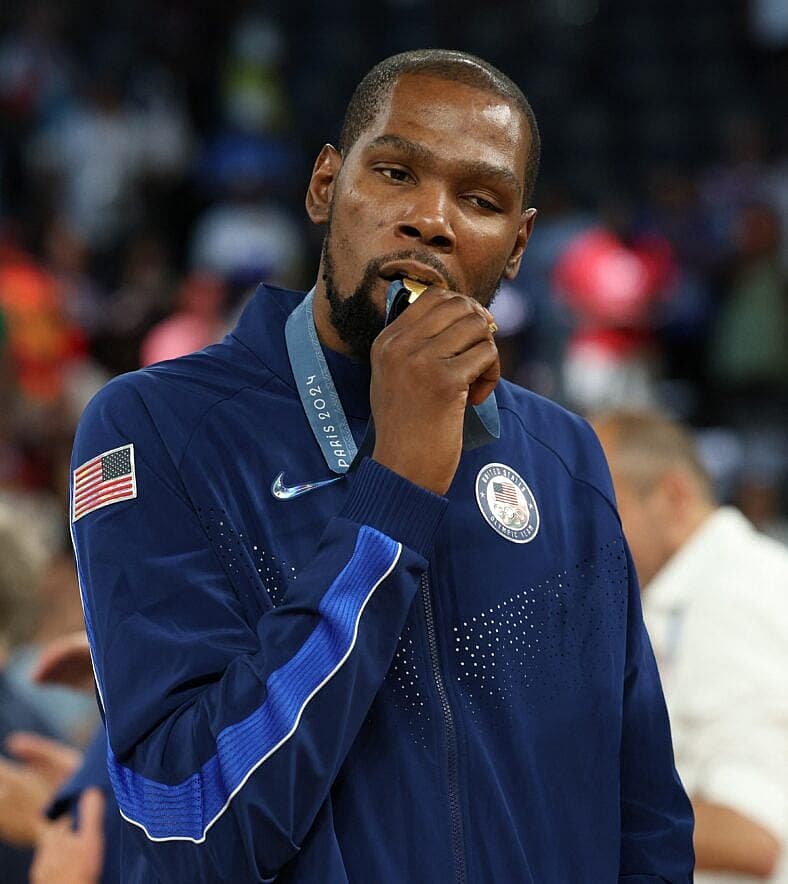
4Not everyone is eager to see Ali G disappear from movie theaters, however. NBA star Kevin Durant and rapper A$AP Rocky are among the prominent names who have shown support for Baron Cohen’s return as the controversial character, according to TheWrap.
Durant was particularly enthusiastic about the comeback. “My brother Sacha Baron Cohen is back. Let’s go,” the Houston Rockets star reportedly wrote on Instagram.
The movie is also finding support from within the cinema industry. A Danish theater chain rejected NewsCord’s request to keep it off its screens, arguing that cinemas should offer audiences a broad range of films, including works that some viewers may find provocative or offensive.
Sacha Baron Cohen Appears To Have Expected The Ali G Backlash
 4
4Baron Cohen may not have predicted the scale of the reaction to Ali G’s return, but he appeared well aware that reviving the character could cause trouble.
When unveiling the trailer, Baron Cohen leaned directly into the risks surrounding politically incorrect comedy. “In an age when a single comedian’s career can be ended by a single un-PC joke, I thought I’d play it safe and bring this guy back,” he wrote on X.
The remark was clearly tongue-in-cheek, but it also suggested Baron Cohen knew Ali G was hardly the safest character to resurrect in 2026.
Sacha Baron Cohen’s Other Controversial Characters
 4
4Baron Cohen has repeatedly found himself in hot water over the characters that made him famous.
His fictional Kazakh journalist Borat drew the ire of Kazakhstan’s government, which threatened Baron Cohen with legal action in 2005. The character’s first movie later faced lawsuits from people who claimed they were duped or humiliated by their appearances.
Two South Carolina college students sued after being shown making racist and misogynistic comments. Residents of a Romanian village used as Borat’s hometown also pursued legal action, seeking millions in damages.
Baron Cohen’s 2009 movie “Brüno” brought another round of legal trouble. A Palestinian man, Ayman Abu Aita, filed a $110 million lawsuit after the movie identified him as a terrorist and member of the al-Aqsa Martyrs’ Brigade. Abu Aita denied the allegation and said he had never been involved with terrorist activity.