
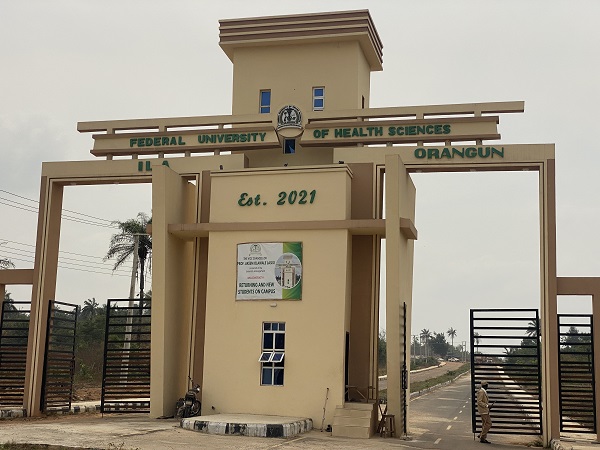
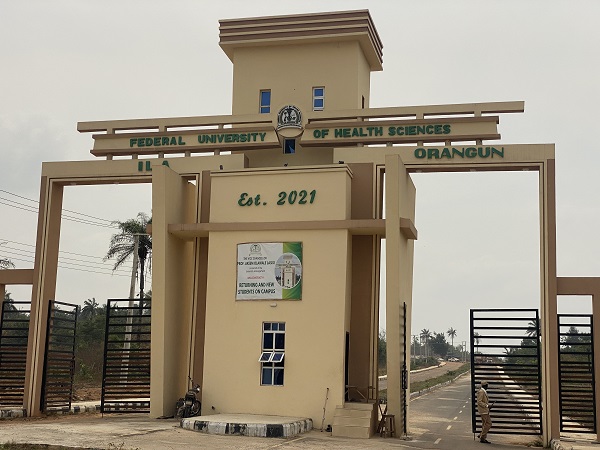
The Federal Government (FG) on Friday inaugurated 11 major projects at the Federal University of Health Sciences, Ila-Orangun, Osun State, signalling a significant boost to medical education and healthcare delivery in Nigeria.
The inauguration ceremony was attended by notable dignitaries, including former Osun State Governor Adebisi Akande, the state Commissioner for Education Dipo Eluwole, the Orangun of Ila, Oba Wahab Oyedokun, and the Orangun of Oke Ila, Oba Adedokun Abolarin.
Speaking at the event, the Minister of Education, Dr Tunji Alausa, highlighted the government’s commitment to expanding medical training institutions and enhancing clinical learning environments.
He said the new facilities, if effectively utilised, would improve the quality of training, research, and healthcare across the country.
Alausa said, “This is why President Bola Ahmed Tinubu, GCFR, has consistently emphasised the expansion of medical training institutions, improvement of clinical learning environments, and the modernisation of our health sciences infrastructure.”
The newly inaugurated facilities include the Senate Building, university library, lecture theatres, faculty auditorium, university gate, multidisciplinary research library, health centre, teaching hospital, and three other projects funded through TETFund and federal appropriations.
Most of the facilities are already in use and contributed to the university’s success in the recent National Universities Commission (NUC) accreditation exercise, according to the Vice-Chancellor, Prof Akeem Lasisi.
Lasisi, however, highlighted the urgent need for alternative energy sources, including inverters and solar power, noting that the rising cost of diesel makes current power solutions unsustainable.
Represented by Dr Yakub Awba, the Pro-Chancellor and Chairman of Council, Prof Wale Sulaiman, emphasised that infrastructure development, internet connectivity, IT infrastructure, clean energy, employee and student welfare, and e-governance remain key priorities for the university to compete on the global stage.
Sulaiman also donated two mini-buses to ease transportation challenges on campus.
Alausa further noted that a strong medical education system not only reduces dependence on foreign medical care but also strengthens public health systems, drives biomedical research and innovation, creates high-skilled jobs, attracts health sector investment, and ensures a productive population essential for national development.