

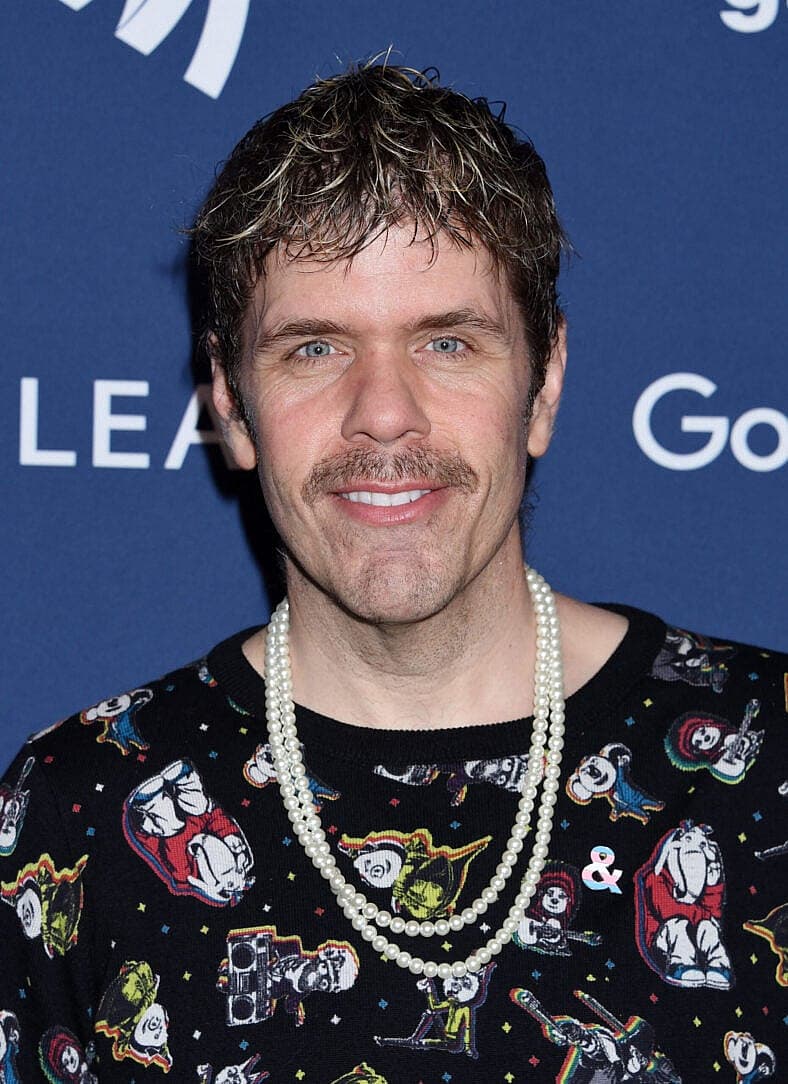
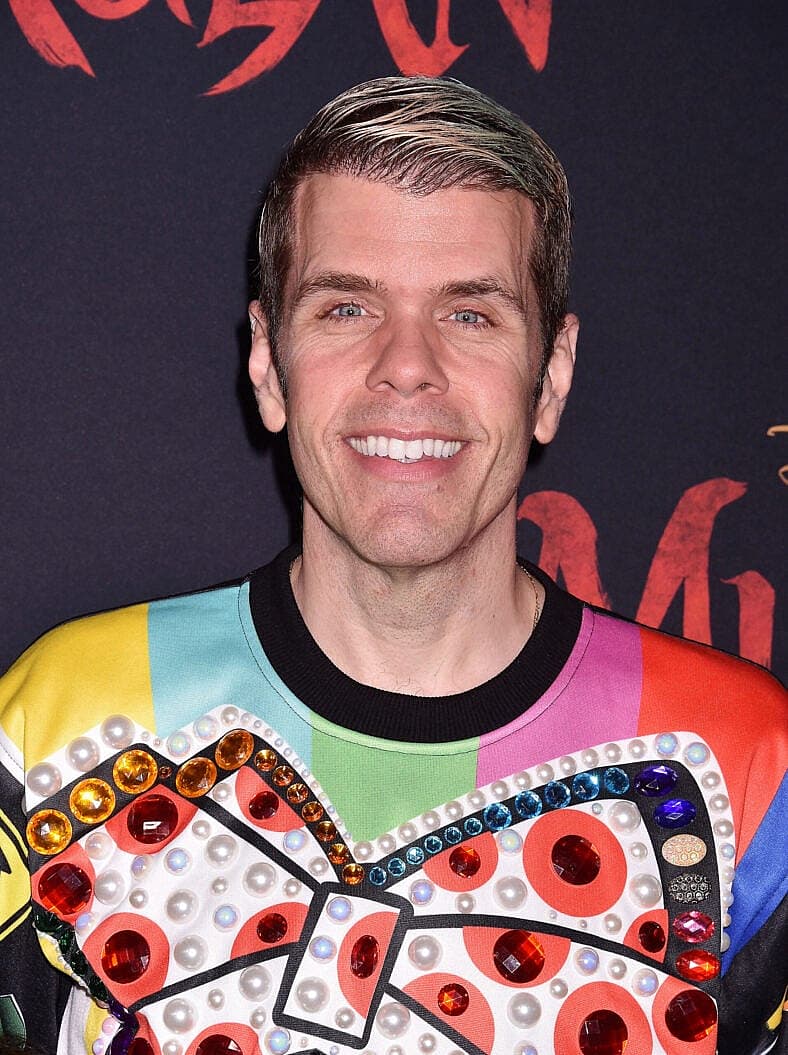
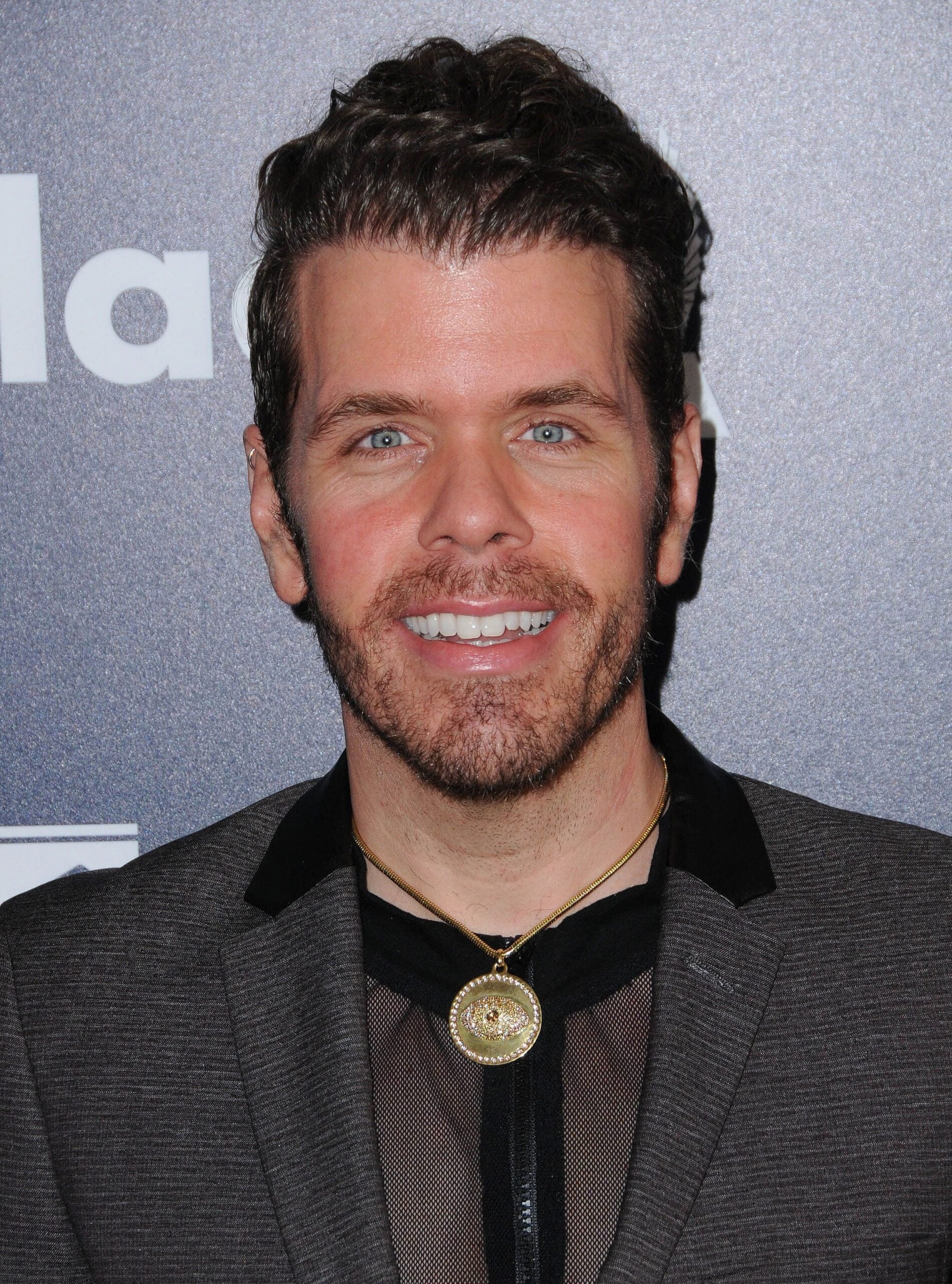
Two unrelated mental health crises unfolding on TikTok Live within days of each other have placed renewed attention on the platform’s ability to recognize imminent danger and respond before it is too late. K-pop influencer Mina Chan died at age 26 after broadcasting a livestream from South Korea on August 5. One day earlier, celebrity blogger Perez Hilton appeared to harm himself during a separate TikTok broadcast from his Florida home. Concerned viewers contacted authorities, and he was transported to a hospital, where his family said he remained in “serious but stable” condition.
The incidents had different outcomes and no known connection. Together, however, they raise the same difficult question: What happens when an online audience witnesses a mental health emergency in real time?
As The Blast previously reported, Chan was a Japanese social media personality living in South Korea who became well known within the ENHYPEN fandom under the username sweeter_nk. Police were alerted at approximately 5:33 a.m. on August 5 to a TikTok livestream involving a Japanese influencer in her 20s who appeared to be in immediate danger. The Yongsan Police Station in Seoul is reportedly examining the circumstances surrounding the incident.
Shortly before her death, she became the target of widespread criticism following an incident at one of the group’s concerts in the United States. She subsequently apologized to Sunoo, Ni-ki and their fans, admitting that her actions may have crossed appropriate boundaries.
Meanwhile, Perez Hilton’s crisis occurred on August 4 and prompted several viewers to call authorities. Miami-Dade County deputies responded to his South Florida home and transported him to a hospital for treatment. According to an official update from his family, Hilton experienced “significant blood loss and … additional injuries that will require surgery.”
TikTok Prohibits Showing Self-Harm
 3
3TikTok’s current Community Guidelines state that the platform does not allow content that shows, promotes, or provides instructions for suicide or self-harm. The company says content initially passes through an automated review process. Material identified as a potential violation may be removed automatically or forwarded to human moderators for further examination.
TikTok also relies on users to report broadcasts and posts that may violate its rules. Content receiving increased attention or multiple reports can be subjected to additional review. In situations involving what the company describes as a specific, credible and imminent threat to someone’s life, TikTok says it may contact local emergency services.
According to PEOPLE, TikTok said its automated system flagged Hilton’s livestream but that a moderation error delayed its removal. His account was subsequently banned for violating the company’s self-harm policy. That reported delay illustrates the central challenge facing TikTok and other livestreaming platforms: A safety system can identify prohibited content and still fail to intervene quickly enough during a rapidly developing emergency.
Livestreams Create A Race Against Time
Unlike prerecorded posts, TikTok Live allows creators and viewers to interact instantaneously. That immediacy is one of the feature’s biggest attractions, but it also leaves moderators with significantly less time to make high-stakes decisions.
A creator may begin a livestream normally before showing signs of distress. Automated systems must then determine whether the person is discussing a past experience, seeking support, or facing an immediate threat.
TikTok permits users to share stories about overcoming suicidal thoughts or self-harm urges, provided they do not describe methods. It also allows prevention content and information directing people toward professional help. That means the platform cannot simply remove every video containing mental health language. Its systems must interpret the context surrounding the words and images appearing on screen.
Users may also speak indirectly or use coded language, potentially making an urgent situation more difficult for automated technology to recognize. Once a threat is identified, the platform or concerned viewers still need enough information to locate the person and contact the appropriate authorities.
Removing A Livestream Does Not Erase It
 3
3TikTok’s responsibility does not necessarily end when the original broadcast is removed. Screen recordings can be uploaded to X, Instagram, YouTube and other platforms within minutes. In Hilton’s case, clips continued circulating on X after TikTok removed the original video.
Reuploads can expose additional users to the footage without warning and prolong the trauma for the creator’s loved ones. They can also transform a private person’s worst moment into viral material circulated for shock value, commentary, or engagement.
Families Urge Privacy As TikTok Faces Difficult Questions
 3
3Both Chan’s family and Hilton’s relatives have asked for privacy and compassion.
The two cases do not prove that self-harm broadcasts are becoming more common. They do, however, expose the enormous stakes involved when a platform built around instant interaction must distinguish between content moderation and an emergency unfolding in real time.
If you or someone you know is experiencing emotional distress or considering suicide, call or text the 988 Suicide & Crisis Lifeline at 988.






![World Cup: Countries with most match wins in history [Top 20]](https://keeploss.com/wp-content/uploads/2026/07/world-cup-countries-with-most-match-wins-in-history-top-20-330x220.jpg "World Cup: Countries with most match wins in history [Top 20] 17")