
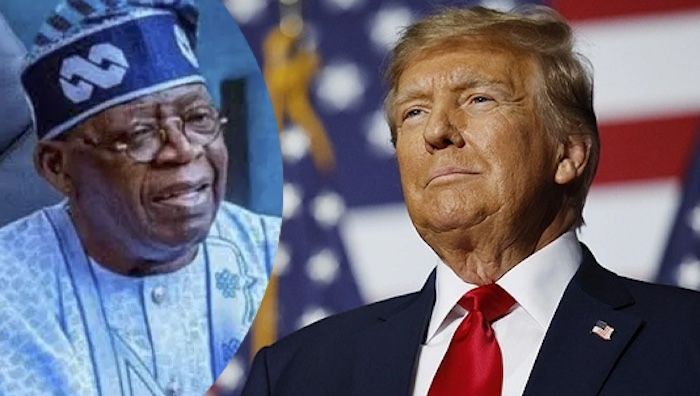
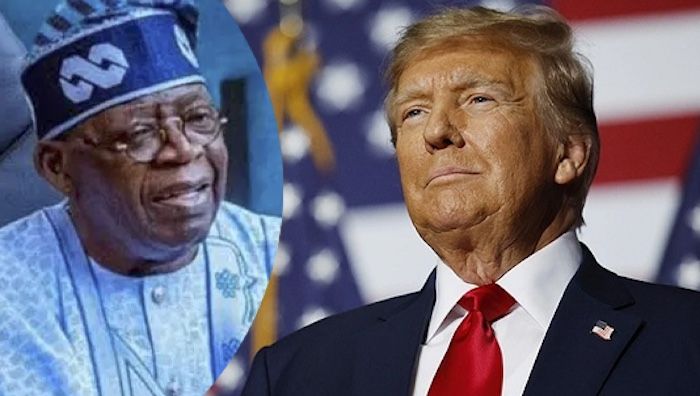
Donald Trump’s reported threat to cut off US aid to Nigeria and order the Pentagon to prepare for “possible action” over the persecution of Christians has drawn renewed international attention to Nigeria’s worsening security crisis. Analysts and civil society figures, however, say the rhetoric is unlikely to result in meaningful protection for vulnerable communities or produce lasting change on the ground.
In Nigeria, reactions have been mixed. The Nigerian Supreme Council for Islamic Affairs (NSCIA) condemned the US government’s decision under President Donald Trump to designate Nigeria a “Country of Particular Concern” over alleged persecution of Christians. The council said the violence was not religious in nature, noting that armed groups have targeted both Christians and Muslims.
Trump’s comments, which emerged amid renewed debate in the United States over foreign policy and religious freedom, were welcomed by some Nigerians as a sign that a powerful ally was finally paying attention to the country’s security challenges. Others dismissed them as political grandstanding, arguing that similar threats in the past have failed to deliver concrete results.
Nigeria has for years faced overlapping security crises, including jihadist insurgency in the northeast, banditry and mass kidnappings in the northwest, farmer–herder violence in the Middle Belt and rising criminality nationwide. Both Christian and Muslim communities have suffered heavy casualties, though the violence is frequently framed along sectarian lines.
A UK-based security analyst, Mr Francis, said US intervention was misplaced at this time. He said the United States is also grappling with deep internal challenges, including political polarisation, rising violence and declining trust in democratic institutions. As a result, Washington lacks both the moral authority and the capacity to act as a global enforcer.
Federal data show that gun violence remains a major public safety issue in the US, while surveys indicate falling confidence in democratic institutions. Provisional figures compiled by the Gun Violence Archive show that approximately 40,846 people died from gun violence in the United States in 2024.
Nigeria’s strategic importance to Washington has also declined. The US once relied on Nigeria for about 10 per cent of its crude oil imports; that figure is now below one per cent. While security cooperation continues, it is largely limited to training, intelligence sharing and targeted military assistance rather than large-scale intervention.
Read Also:
Trump moves to block state AI regulations with executive order
Trump bars visas for 10 African Nations, others after shooting of two guards
Trump clears way for Nvidia to sell chips to China
Historical experience further shapes my scepticism. US-led or US-backed interventions in countries such as Afghanistan, Libya, Somalia and Haiti have produced mixed reactions and often destabilising outcomes. In Afghanistan, two decades of war ended with the Taliban’s return to power. Libya remains divided more than a decade after a NATO-led intervention, with weak institutions and competing armed factions.
Meanwhile, Nigeria’s underlying problems remain severe. According to the World Bank, around 139 million Nigerians, 61 per cent of the population live below the poverty line, up from about 40 per cent in 2019. Transparency International reports that 44 per cent of Nigerians paid a bribe to access public services, underscoring persistent governance failures.
According to Dr James, a UK-based education specialist, structural issues such as poverty, corruption, weak institutions and lack of accountability are key drivers of violence in Nigeria, rather than the absence of foreign military pressure.
Religious leaders have also urged caution against importing ideological conflicts from abroad. Some have warned that the rise of Christian nationalism in the US has blurred the line between faith and politics and risks fuelling further polarisation.
In Washington, scepticism has emerged across party lines. Two senior members of the US Congress, Gregory W. Meeks and Sara Jacobs, have rejected Trump’s remarks threatening to withdraw aid or take military action against Nigeria.
US officials have not announced any policy changes following Trump’s comments, and the Nigerian government has yet to issue a formal response.
Observers say the episode highlights a broader reality: Nigeria’s security crisis is unlikely to be resolved through external pressure. As a result, Trump cannot save Nigeria from its own structural crisis. A sustainable plan to resolve Nigeria’s current challenges will depend on domestic reforms, accountable leadership and the rebuilding of public trust — not external pressure.