


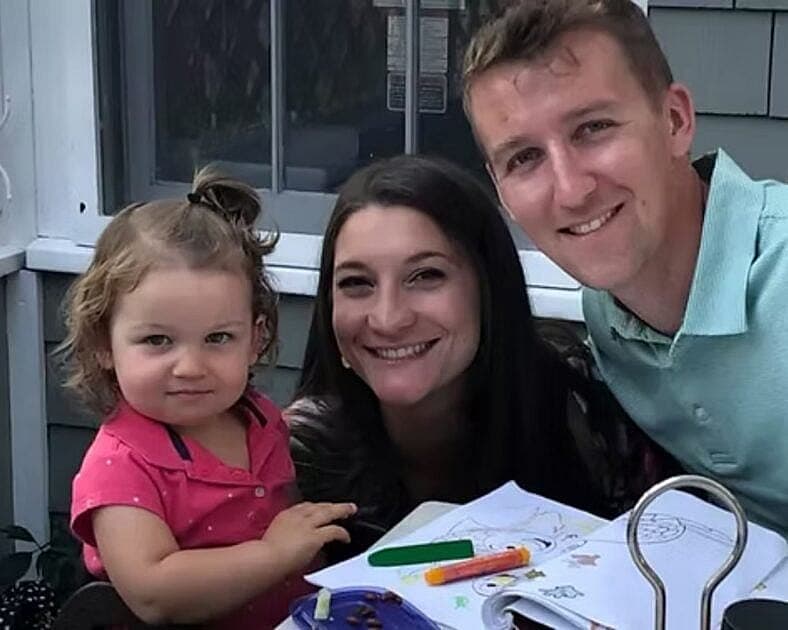
Lindsay Clancy’s closely watched murder trial was about to end without a verdict after jurors failed for a third time to reach a unanimous decision, but then drama erupted in the courtroom. Judge William Sullivan was about to declare a mistrial Friday morning after receiving another note from the jury saying its members remained deadlocked over whether Clancy was criminally responsible for killing her three children.
However, Clancy’s attorney strongly opposed ending the trial and pushed for one final attempt to preserve the proceedings. The judge decided to give the defense one hour to make an emergency appeal for a stay. The dramatic development came after the seventh day of deliberations and an escalating dispute involving a male juror whom the defense accused of refusing to properly apply the court’s instructions on reasonable doubt.
 5
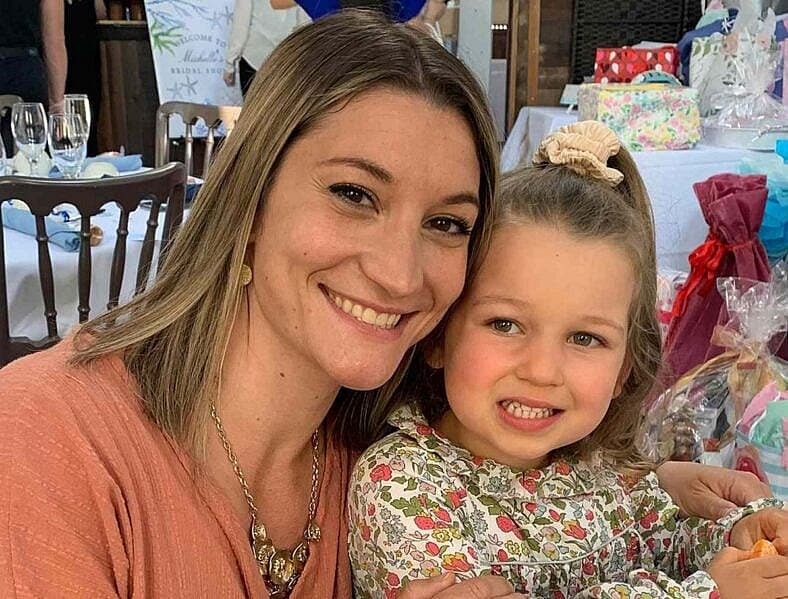
5Clancy’s attorney’s emergency effort followed days of arguments over a juror whom the defense claimed was preventing the panel from returning a verdict favorable to Clancy.
The dispute emerged after the jury foreperson sent the court a note indicating that one juror had acknowledged doubt but allegedly refused to apply it when considering a verdict. Reddington asked Sullivan to remove the juror, but the judge declined.
Prosecutors disputed the defense’s characterization of the disagreement and maintained that the note showed jurors held differing views about how to evaluate the evidence.
Sullivan individually questioned all 12 jurors about whether they could follow his instructions. Each juror said they could, and the judge sent the full panel back to continue deliberating. The jury was composed of nine women and three men. The disputed juror was later identified in court as a man, although his identity was not disclosed.
Jurors Reported Three Separate Deadlocks
 5
5The jury first informed Sullivan that it was unable to agree on Tuesday, the fourth day of deliberations. Sullivan asked the panel to continue working toward a verdict, citing the volume of evidence and testimony presented during the trial.
On Wednesday, the jury sent a second note saying it was “still unable to come to a unanimous decision.” The judge then delivered what is known as a Tuey-Rodriguez instruction. The special instruction encourages deadlocked jurors to reconsider their positions and give deliberations another serious effort without abandoning their honestly held beliefs simply to produce a verdict.
Under Massachusetts law, a judge may only order a deadlocked jury to continue deliberating twice unless the jurors agree to make another attempt. Once the panel reported a third impasse Friday, Sullivan determined that further deliberations would not produce a unanimous result.
A mistrial caused by a hung jury is not an acquittal. It means the trial ended without the jury deciding whether Clancy was guilty or lacked criminal responsibility.
Lindsay Clancy’s Mental State Divided The Jury
 5
5Clancy pleaded not guilty to three counts of first-degree murder in the January 24, 2023, deaths of five-year-old Cora, three-year-old Dawson and eight-month-old Callan.
Her defense did not dispute that she strangled the children inside the family’s Duxbury home. Instead, the trial centered on whether severe mental illness prevented her from understanding the wrongfulness of her actions or conforming her conduct to the law.
Lindsay Clancy’s Defense Highlights Her Repeated Pleas For Psychiatric Help
 5
5Reddington argued that Clancy was experiencing postpartum psychosis, a rare psychiatric emergency that can dramatically distort a person’s perception of reality. Her attorneys maintained that her mental health deteriorated during the months before the killings despite repeated attempts to obtain help.
Evidence presented during the trial detailed her contacts with psychiatric providers, a suicide hotline, and a hospital, as well as the numerous medications prescribed to address her symptoms and reactions to other drugs.
Prosecutors Insist Lindsay Clancy Understood And Planned Her Actions
 5
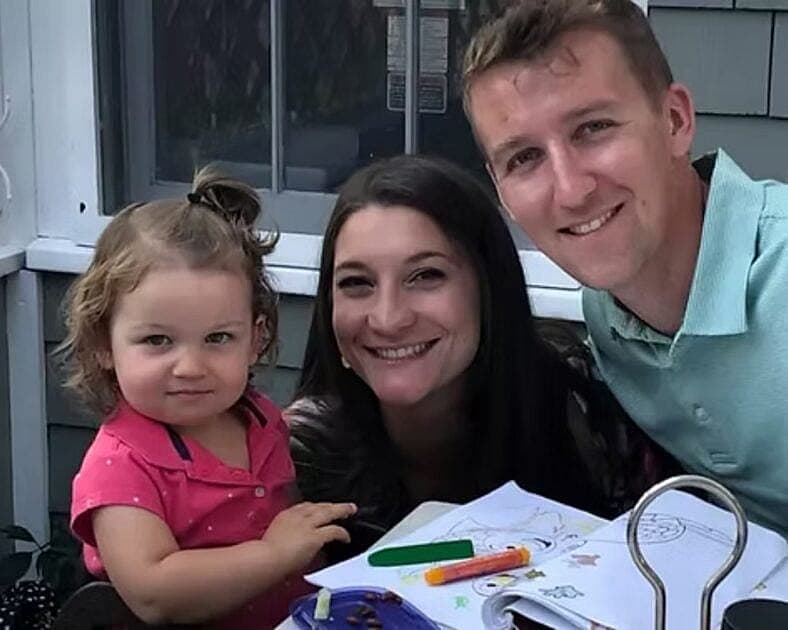
5The prosecution acknowledged that Clancy had experienced mental health problems but argued that she remained capable of understanding her actions. Prosecutors maintained that she deliberately created an opportunity to be alone with the children by sending her then-husband, Patrick Clancy, out to collect medicine and dinner.