

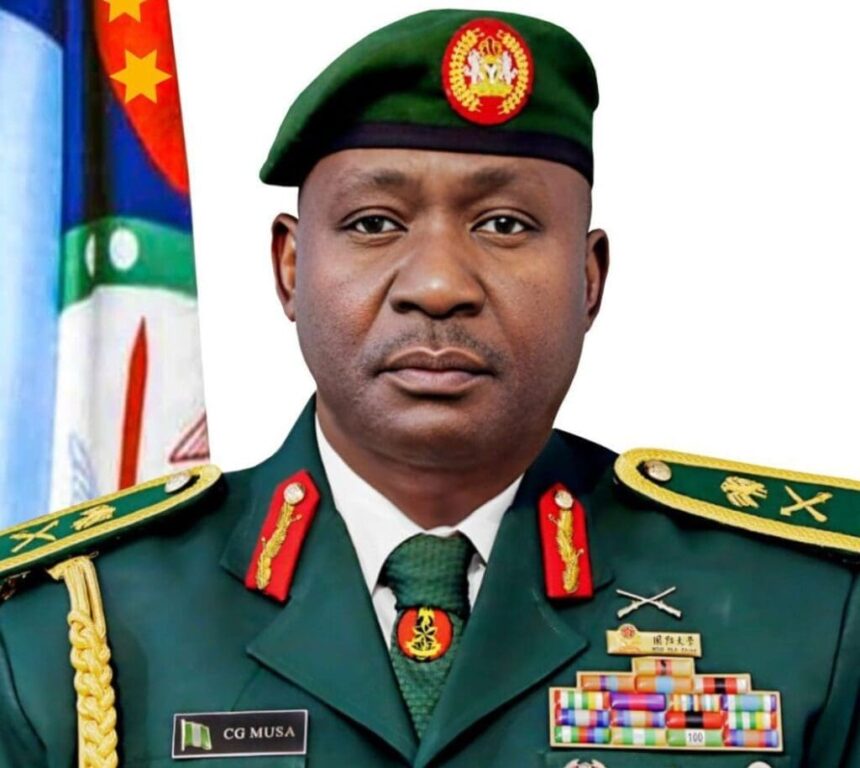
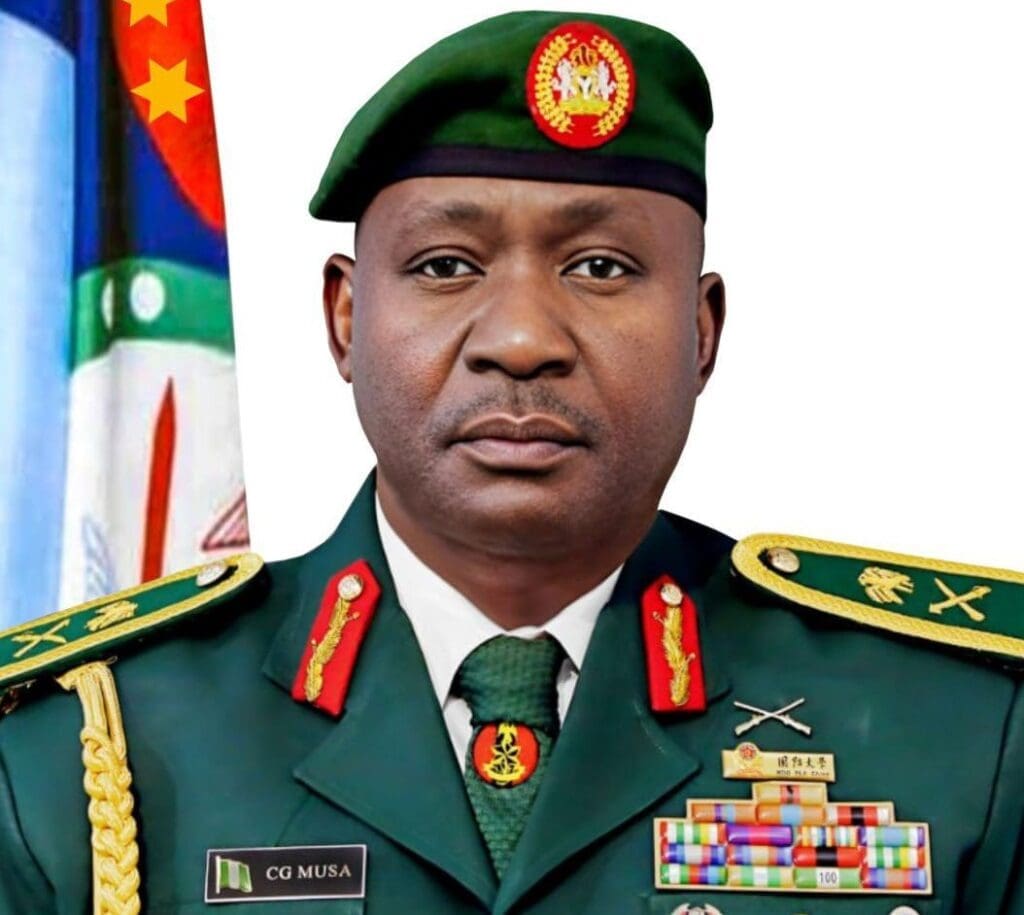
Nigeria’s Defence Minister, Mohammed Badaru Abubakar, has resigned with immediate effect on health grounds, prompting President Bola Ahmed Tinubu to move swiftly to appoint former Chief of Defence Staff General Christopher Musa as his successor.
The minister’s resignation, contained in a letter dated 1 December, was confirmed on Monday by presidential spokesman Bayo Onanuga, who said President Tinubu had accepted the decision and thanked Mr Abubakar for his “services to the nation”.
Sources within the Presidency told New Daily Prime that Tinubu will formally notify the Senate of General Musa’s nomination later this week.
Mr Abubakar, 63, a two-term governor of Jigawa State, was appointed Defence Minister in August 2023. His departure comes at a moment of acute national insecurity and follows the President’s declaration of a national security emergency.
Former Defence Chief Tipped to Take Over
General Musa, who led Nigeria’s Armed Forces until his retirement in October, met President Tinubu at the Presidential Villa on Monday evening. Senior officials said the President informed him that he would be nominated to take over the Defence Ministry.
The former CDS was seen entering the State House wearing dark-green traditional attire. His appearance marks the first public engagement with the President since his retirement on 24 October.
General Musa’s appointment is expected to place a battle-hardened officer with frontline experience at the centre of Nigeria’s defence policy at a time of unprecedented security strain.
Mr Abubakar had recently been appointed to represent Nigeria on the newly formed US–Nigeria Joint Working Group on Security Cooperation, established during a visit to Washington, D.C., by senior Nigerian officials including National Security Adviser Nuhu Ribadu.
Read Also: NSA Nuhu Ribadu confirms investigation into Gulf of Guinea as arms trafficking route
He had also advocated stronger regional cooperation within ECOWAS, warning in September that terrorism in the Sahel posed an “existential threat” to West Africa’s stability. In a major address at the National Counterterrorism Centre in Abuja, he urged real-time intelligence sharing, enhanced legal frameworks, and the activation of the ECOWAS Standby Force. His resignation now raises questions over continuity in Nigeria’s defence engagements abroad.
Who Is General Christopher Musa?
General Musa, commissioned into the Nigerian Army in 1991, is regarded as one of the country’s most experienced military officers. Before becoming Chief of Defence Staff, he served as Theatre Commander of Operation Hadin Kai, Nigeria’s primary counter-insurgency campaign, and earlier as Commander of Sector 3 of the Multinational Joint Task Force in the Lake Chad Basin.
Security analysts credit him with shifting Nigeria’s counter-insurgency strategy towards more proactive operations and restoring morale within the Armed Forces. During his tenure, the military expanded cooperation with international partners and improved welfare conditions for frontline troops.
General Musa remains a respected figure within the ranks, known for his direct communication style and disciplined leadership. Upon retiring, he said he was leaving office with a “clear conscience”.
The ministerial change comes as Nigeria grapples with rising kidnappings, rural banditry and insurgent attacks. President Tinubu’s newly declared security emergency includes expanded recruitment into the police and military, redeployment of officers from VIP protection units, and renewed calls for the creation of state police forces.
With Mr Abubakar’s resignation, the Defence Ministry is expected to undergo its most significant leadership transition since the beginning of the Tinubu administration. General Musa’s nomination is widely seen as an attempt to stabilise the ministry and inject professional military expertise into government at a time of worsening violence.
If the Senate confirms him, General Musa will take office at a very difficult time for Nigeria’s security. The success of President Tinubu’s reforms, and Nigeria’s ability to reduce rising attacks, may depend largely on how well he performs.
Following news of Badaru’s resignation, political activist Omoyele Sowore posted claims on social media alleging that the minister was asked to step aside to make way for General Musa, and further suggested that foreign partners had raised concerns about defence leadership. These assertions remain unverified, and neither the Presidency nor international partners have responded to them. No evidence has been presented publicly to substantiate any allegations against officials.